
Reviewed · WORKSHOPS
From Praia: Banana Plantation Tour and Cuscuz Workshop
Cape Verde can feel like a chain of bright coasts, but this half-day trip goes inland, into the working farms and family kitchens that keep the island fed. The mix of a banana and coconut plantation walk plus a hands-on Cuscuz workshop makes it more than a quick photo stop. I especially like how you learn by doing, not just watching.
What I really like is the way the day ties food to place. You get the plant names and farming details on the plantation, then you roll up your sleeves with a local family in Orgãos to make Cuscuz and Fidjós. One thing to consider is that Cuscuz format may vary by day, and plantation access can be affected by weather, so expect a morning with a little real-life flexibility.
You’ll start with pickup in Praia and return around midday, so it fits well even if you want your afternoons free. Just plan for a bit of walking, bring sunscreen and water, and wear comfortable shoes, because you’ll move around on farm paths.
Key moments worth planning for
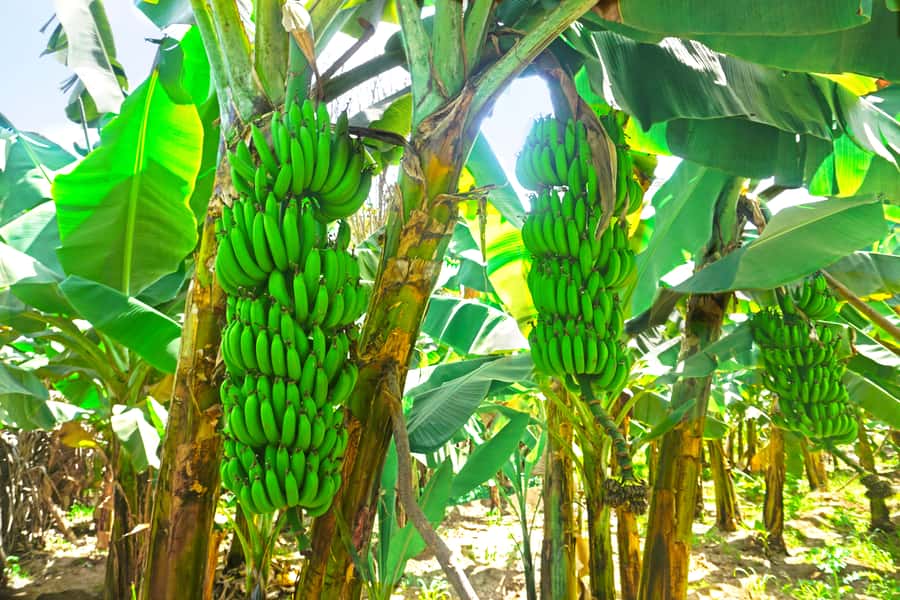
- Santa Cruz plantation walk where your guide explains banana and coconut varieties you’re seeing up close
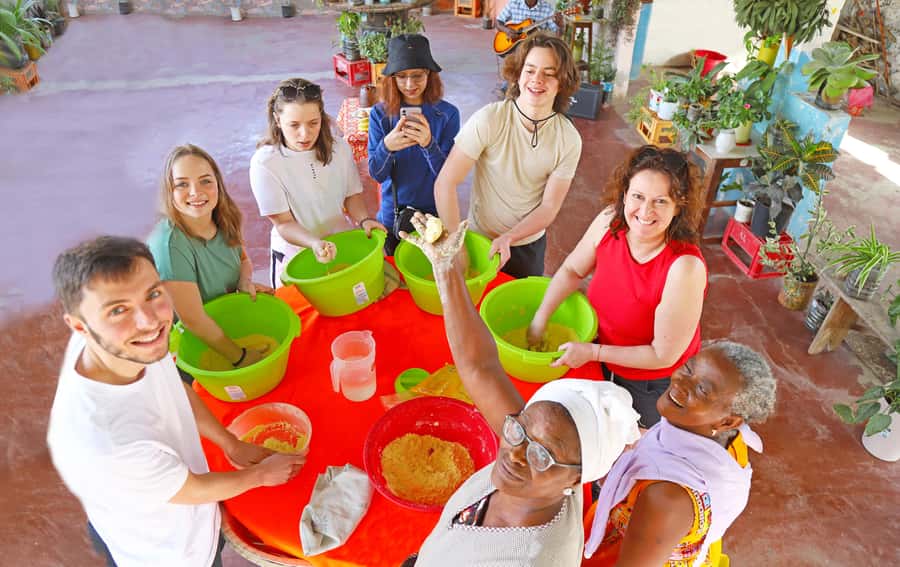
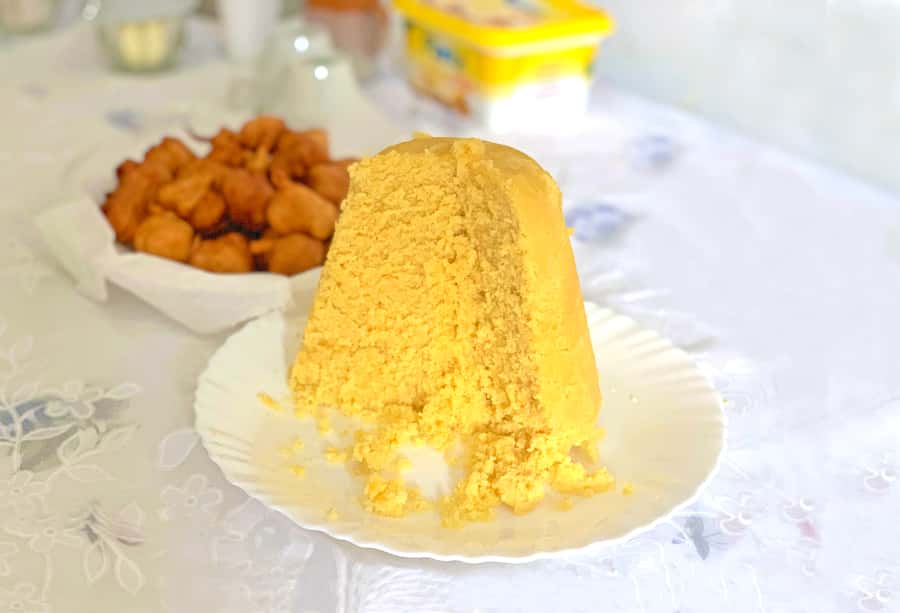
- Hands-on Cuscuz and Fidjós cooking with a friendly family, using local ingredients and recipes
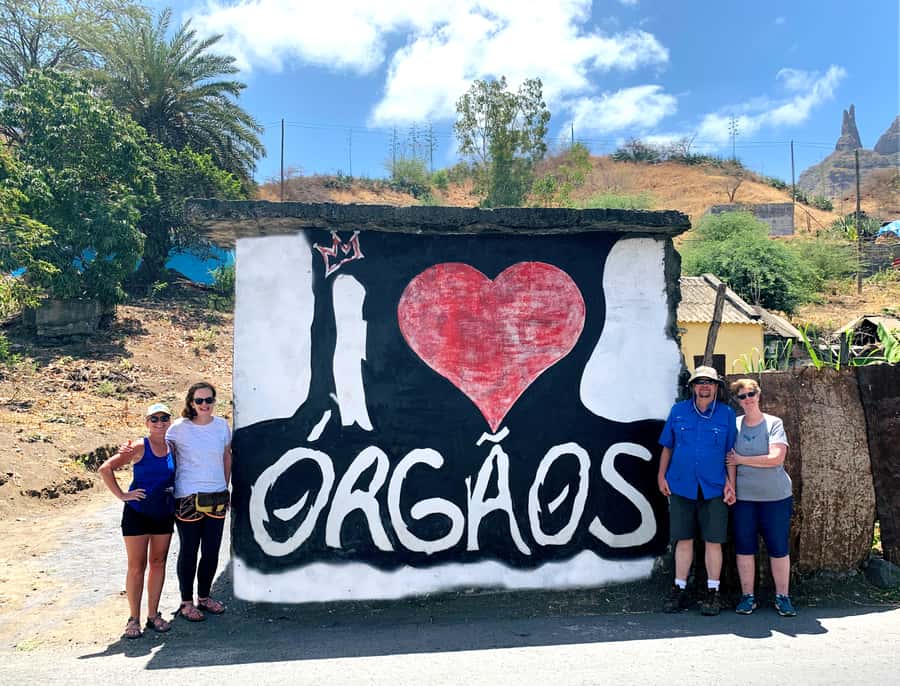
- Orgãos cultural welcome that feels more like a home visit than a staged show
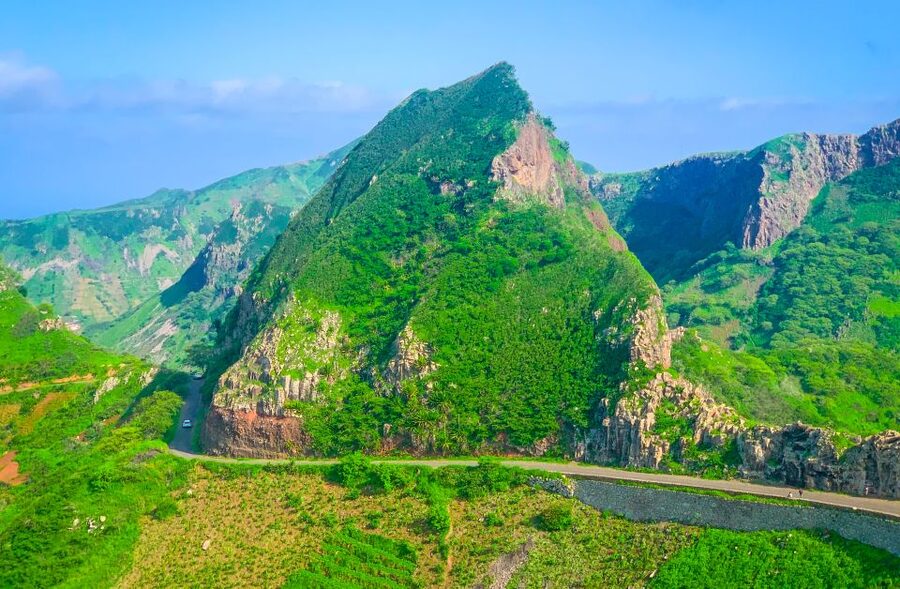
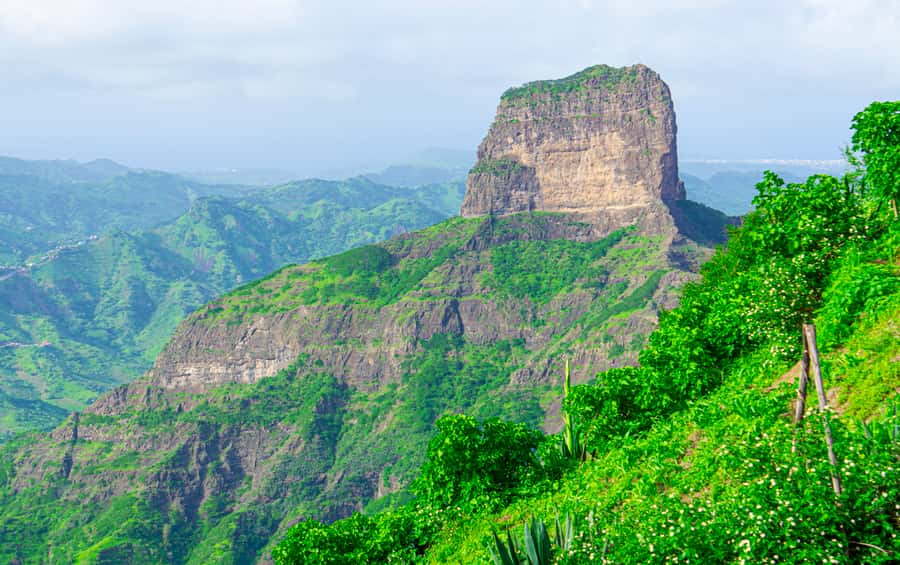
- Scenic drive through rocks and valleys as your guide shares local context on the island
- Monte Txota Natural Park views included in the outing, adding a nature side to the day
Inland start from Praia, why it works so well on Santiago
If you only stick to Praia’s waterfront, you miss how Santiago actually feels day to day. This tour is interesting because it shifts the focus from beaches to farms and neighborhoods. You get a morning of people, plants, and cooking, with a scenic drive afterward, all wrapped into a 4-hour schedule.
I like that it is organized but not rushed in an exhausting way. You do a walk, then you slow down for cooking and tasting with a family, then you finish with a drive that gives your eyes a break. It also helps that the pace matches the time window: you’ll be back around early afternoon, which makes it easy to pair with lunch plans or another short activity.
There is also a practical bonus. The pickup and drop-off means you do not have to figure out island transport for a half-day that includes both countryside and a family meal setting.
Other hands-on sessions with Cidade Velha makers:
- Best of Santiago Island: Cidade Velha, Workshop & Tarrafal Beach Tour
★ 4.5 · 3 reviews - Sal Island: Catxupa Cooking Class with a local family
★ 4.7 · 72 reviews - Surf Lessons
★ 5.0 · 60 reviews
Plantation time in Santa Cruz: bananas, coconuts, and real farm talk
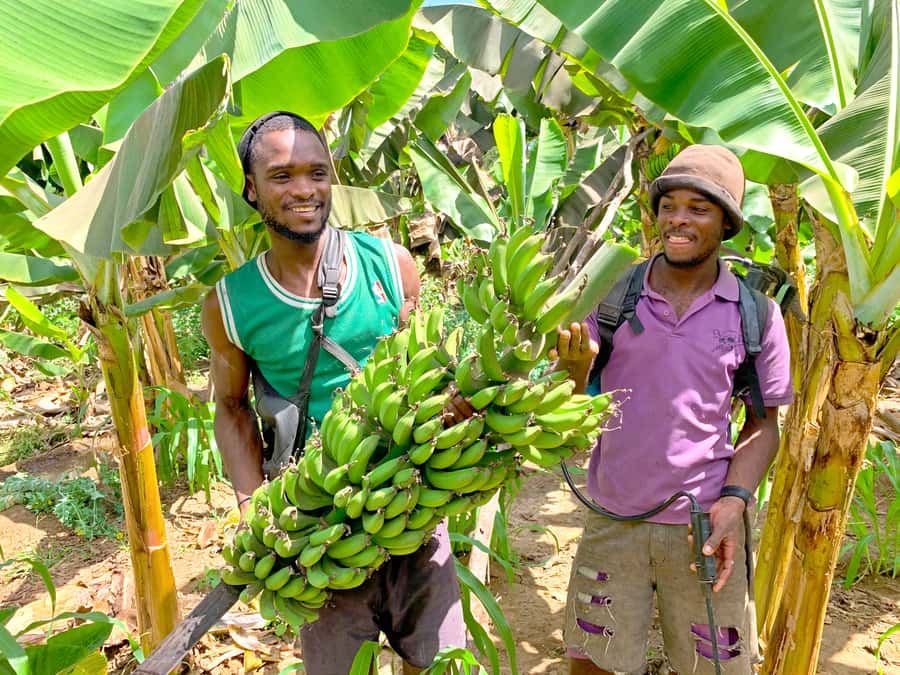
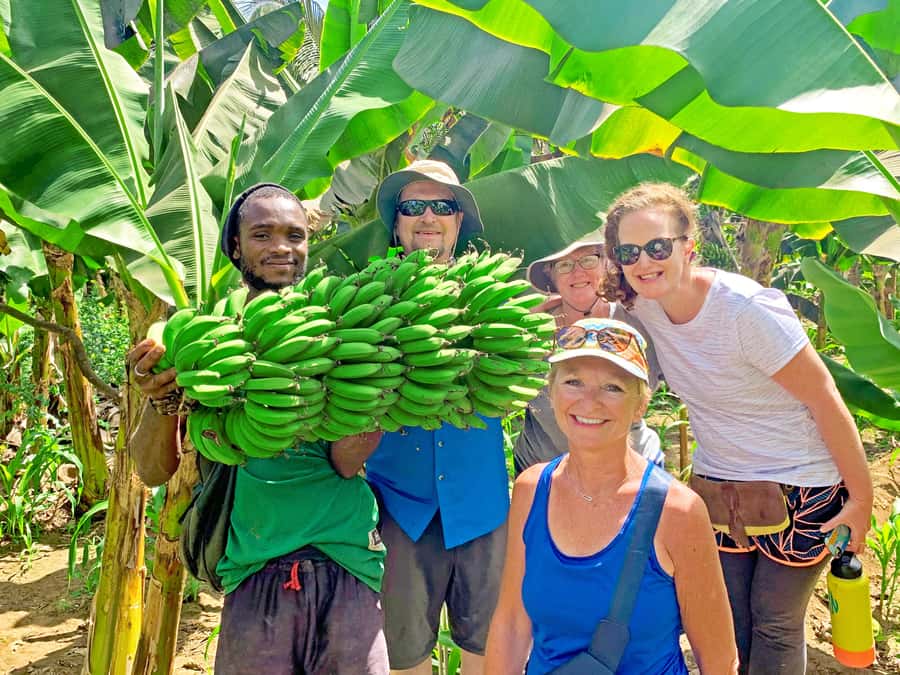
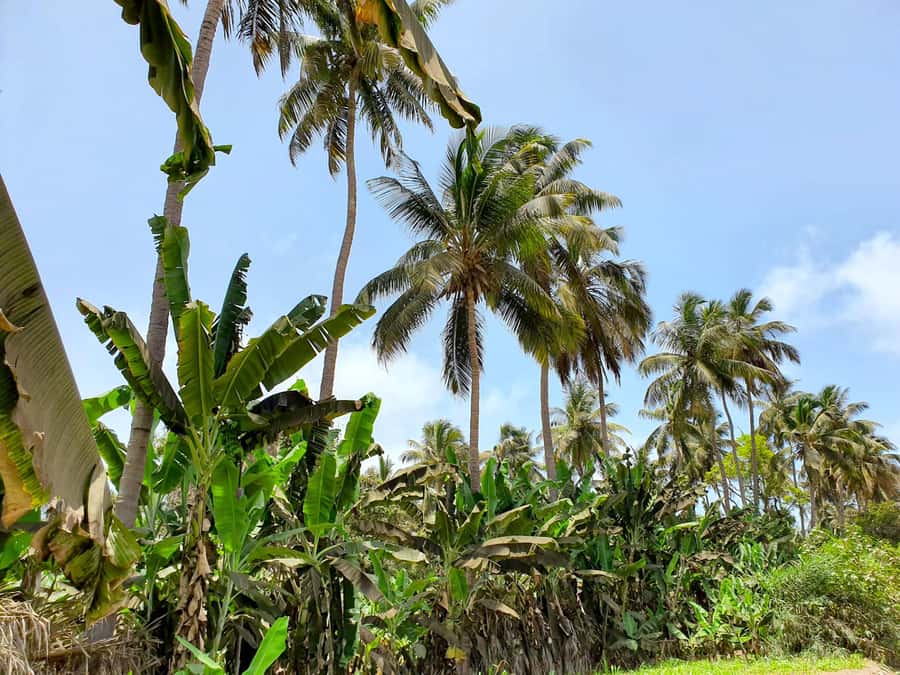
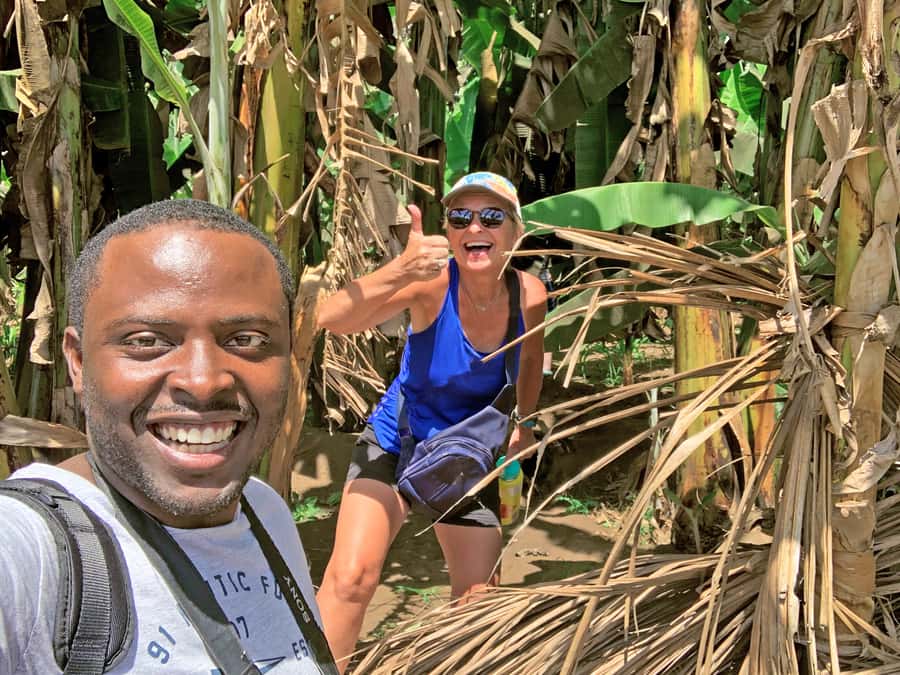
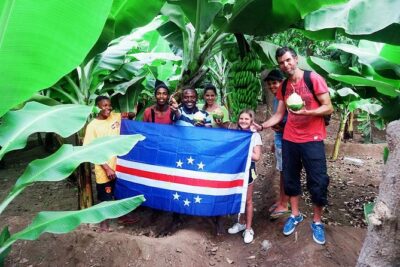
After pickup from your accommodation in Praia, you ride inland to Santa Cruz. Your first real stop is Cape Verde’s largest banana and coconut plantation in the country. This is not just standing at the gate. You take a walk inside the agricultural fields while your guide talks through what you are looking at.
This part is one of the best values of the experience because it gives context. Instead of learning about bananas from a book, you learn while you’re surrounded by the plants themselves. Depending on the day, you may also get opportunities to refresh with fresh coconut water and try organically grown local bananas, though those are typically at your own expense.
The wording around plant variety matters here. You are not simply told that bananas exist. You should expect explanations that connect fruit types, how they grow, and why certain crops are important locally. That is the kind of detail that makes your photos more meaningful later, because you know what you photographed and why.
One travel note: the plantation walk is great if you are steady on your feet. If you have back problems or mobility challenges, the walking around farm paths may not be comfortable. The tour is built for an able-to-walk morning.
The family welcome in Orgãos: Cuscuz and Fidjós lessons you can taste
Next comes Orgãos, where you meet a local family. This is the heart of the day. The welcome is warm and relaxed, and the cooking workshop is where you learn Cape Verdean food in a way that sticks.
You’ll have time to eat and taste local dishes, including La Morabeza creole. Then you get into the lesson itself: making Cuscuz, a traditional cake made from cornmeal, and Fidjós, a sweet treat made by mixing banana with wheat. Even if you think you know what banana desserts are, this is a very local take that feels different once you see how the ingredients come together.
What I like most about this portion is that it is not just about the recipe. You learn the rhythm of cooking with the family, the small choices they make, and how they talk about food as part of daily life. Guides who have strong rapport with the household can make this feel like a real conversation. In some departures, people even mention humor and lots of questions being answered, which turns the workshop into something lively rather than formal.
There is one caution worth keeping in mind. The experience is listed as a cooking workshop, but occasionally the format can shift due to day-to-day planning or access issues. If you absolutely need a full hands-on workshop, it’s smart to double-check before you go if your exact schedule includes the cook-along portion or primarily a tasting. For most people, though, this is the highlight.
Names that come up in guides and hosts include Bamba and Carlos as guides, and Mama Luisa (also spelled Mama Louisa in some cases) as the key family cook. When you get a guide like Bamba or Carlos, you’ll likely notice they focus on clear explanations and keeping the day moving smoothly while letting you ask questions.
Monte Txota Natural Park: scenic drive through rocks and valleys
After the meal and cooking portion, you head out for a scenic drive through rocks and valleys. This is where the trip gives your eyes a breather after time on your feet.
Monte Txota Natural Park is part of the plan, and you should expect your guide to narrate what you’re seeing as you travel. Even if you are not the kind of traveler who loves long nature explanations, the drive still helps because it connects the day’s two themes. Farms and food make sense when you understand the terrain they grow in.
I also like that this segment is paced like sightseeing, not like a checklist tour. You’re riding and listening, not sprinting between stops. That matters on a short 4-hour outing, because it keeps energy for both the plantation and the cooking.
A few more Cidade Velha trips to weigh against this one
- Praia & Cidade Velha: Guided City Tour
★ 4.8 · 80 reviews - Santiago Island: Highlights of Cidade Velha with Local Guide
★ 4.9 · 67 reviews - Santiago: Calabaceira Valley Trek & Visit to Cidade Velha
★ 4.8 · 49 reviews - From Praia: Cidade Velha, Tarrafal & East Side Island Tour
★ 4.8 · 23 reviews
What else you might taste or do along the way
The tour centers on the plantation walk, the Cuscuz and Fidjós workshop, and the scenic drive. Still, guides can sometimes add small extras depending on timing and what’s available.
For example, one group noted chances to try sugarcane and grogue, and even to stop for fruit shopping like soursup. That is not something you should plan around as a guarantee, but it shows the day can go beyond the basic lesson if your guide has a good handle on local options.
This matters for value because $88 for a half-day tour is easier to justify when the guide is proactive about making the day feel personal. If your guide is talkative and practical, you can get more than a recipe out of the family meal: you get local context, small tasting moments, and advice you might use later.
Price and value: is $88 for 4 hours worth it?
At $88 per person for a 4-hour experience, you’re paying for more than transportation. You’re paying for pickup and drop-off in Praia, a guide, transport between sites, and a cooking workshop with a local family.
Here’s how I judge value for this kind of half-day:
- You get two distinct settings: plantation walk plus family cooking. That’s a lot for 4 hours.
- Food is included through the workshop/tasting, which is usually more memorable than a standard tour snack.
- Local guiding is part of the product. The better the guide, the more you get out of both the farm explanations and the cooking process.
Where it might feel less worth it is if you are mainly looking for long scenic hiking or lots of separate photo stops. This is not a full island tour. It is a focused morning built around food and agriculture.
But if you want a genuine Cape Verdean experience tied to ingredients you can name and dishes you can make later, the price starts to look fair quickly.
Timing, group size, and what the schedule feels like
This tour runs from 9:00 AM to 1:00 PM, for a total duration of 4 hours. It’s a morning plan, so you’ll want to start the day hydrated. Also, because pickup is included, you should plan to be ready in the hotel lobby about 10 minutes before your scheduled time.
Group options include shared tours and private or small groups. Shared groups are available with a minimum of 2 participants. If the minimum is not met, the operator may propose an alternative date, charge an extra fee to run it privately, or cancel for a full refund.
How that affects your decision:
- If you like meeting people and keeping costs down, the shared option works well.
- If you want a calmer, more conversational pace, the private or small-group version is a better match, especially for asking lots of food questions during the workshop.
One more real-world note: some departures, especially off-season, can feel more like a small private outing. People have reported having more personalized attention in those cases, which is exactly what you want in a cooking-focused tour.
Who should book this tour, and who might skip it
This is a great fit if you:
- Want hands-on Cape Verdean cooking instead of just eating a meal
- Like agriculture, plants, or learning how local food systems work
- Enjoy guided storytelling, especially when it connects plants, food, and daily island life
- Have a morning free and want a full experience without eating up your whole day
It might be less comfortable if you:
- Have back problems or mobility impairments, because you’ll walk around farm areas and move between stops
- Prefer very sedentary sightseeing, since this includes a plantation walk and a cooking session where you’ll be standing and moving
What to bring so the morning stays comfortable
This one is short but practical:
- Comfortable shoes for farm paths
- A hat, sunscreen, and water for the morning sun
- Light layers if you get cool in the car on the ride back and forth
Also, go in with the right attitude. The best moments come when you ask questions during both the plantation walk and the cooking lesson. If you treat it like a conversation with the guide and the family, the whole day feels smoother.
Should you book the Banana Plantation Tour and Cuscuz Workshop?
I think you should book if your idea of a great Santiago morning includes farms, local food, and a family setting. The day’s structure is logical: plantation first for context, then cooking so you connect what you learned to what you eat, then a drive to finish with scenery.
Skip it only if you are looking for a long, high-impact sightseeing day, or if walking around the plantation could be uncomfortable. If you do book, wear good shoes and be ready for a morning that is part education, part hospitality, and part simple farm reality.
If you want your trip to taste like Cape Verde, this is a solid choice. And if you end up leaving with Cuscuz and Fidjós skills you can recreate later, you’ll feel like you got more than your money’s worth.
FAQ
Where does the tour start?
The tour includes hotel pickup in the city of Praia, with pickup about 10 minutes before the scheduled time.
How long is the Banana Plantation and Cuscuz experience?
It runs from 9:00 AM to 1:00 PM, for a total duration of 4 hours.
What will I see during the plantation part?
You will visit Cape Verde’s largest banana and coconut plantation and take a walk inside the agricultural fields while your guide explains the fruit and plant varieties.
Do I have to pay extra for drinks or fruit?
Fresh coconut water and bananas may be available, but you would pay for those at your own expense.
What do I learn to cook?
You learn how to cook authentic Cuscuz and Fidjós with a local family. Cuscuz is made from cornmeal, and Fidjós is made from banana mixed with wheat.
Is the tour shared or private?
You can choose a shared group option or a private/small group option. Shared tours depend on a minimum of 2 participants.
What languages are available for the guide?
The tour is offered with live guiding in Spanish, English, French, and Portuguese.
Is this tour suitable for everyone?
It is not suitable for people with back problems or mobility impairments, since the day includes walking around the plantation and moving between stops.
Just added around Cidade Velha
- Best of Santiago Island: Cidade Velha, Workshop & Tarrafal Beach Tour★ 4.5 · 3 reviews
- Praia: Plateau and Cidade Velha Guided Tour★ 5.0 · 3 reviews
- Private Tour Cidade Velha/Discover OLD CITY★ 5.0 · 4 reviews
- Highlights of Cidade Velha with local guide★ 4.5 · 7 reviews
- Shore Excursion: 3-Hour Guided Historic Tour of Praia & Cidade Velha★ 5.0 · 9 reviews
- Guided City tour Praia with Cidade Velha (World Heritage)★ 5.0 · 10 reviews
- Santiago Island: Best of Praia & Cidade Velha Tour, a World Heritage Site★ 5.0 · 15 reviews
- Like Locals: Praia and Cidade Velha Tour + Local Pontxi Tasting★ 5.0 · 19 reviews
Workshops, compared.

Banana Plantation, Natural Park & Workshop with a local family
Read our review →
Browse the lists this tour appears in