
Reviewed · WORKSHOPS
Sal Island: Catxupa Cooking Class with a local family
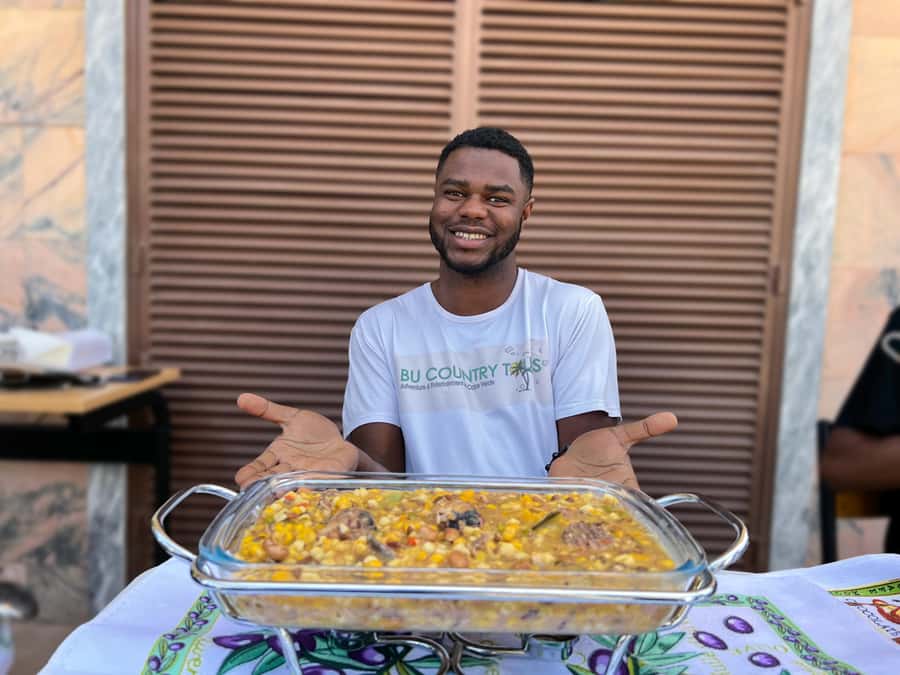
Cooking Catxupa with a local family on Sal is interesting because you get Cape Verdean food knowledge in the same place it is made, not just watched from the sidelines. I love the hands-on setup and the chance to learn the dish itself, starting with the corn-and-bean base. One drawback to consider: it is a tight 2-hour session, so you have to move with the flow.
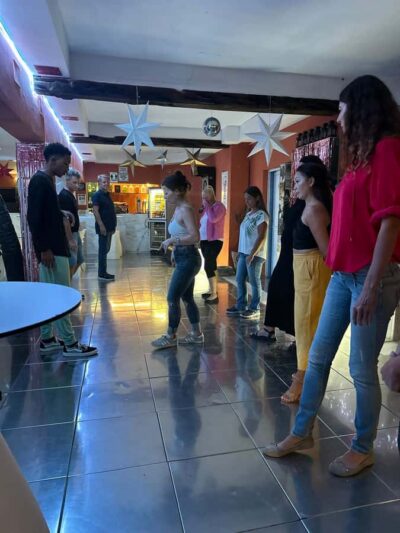
You will also get real social warmth. In bookings, the guide names Melissa and Alejandro have shown up with praise for being welcoming and professional, and at least one session included a short dance lesson. If you prefer quiet, solo activities, this may feel more social than you expect.
Key Things to Know Before You Go
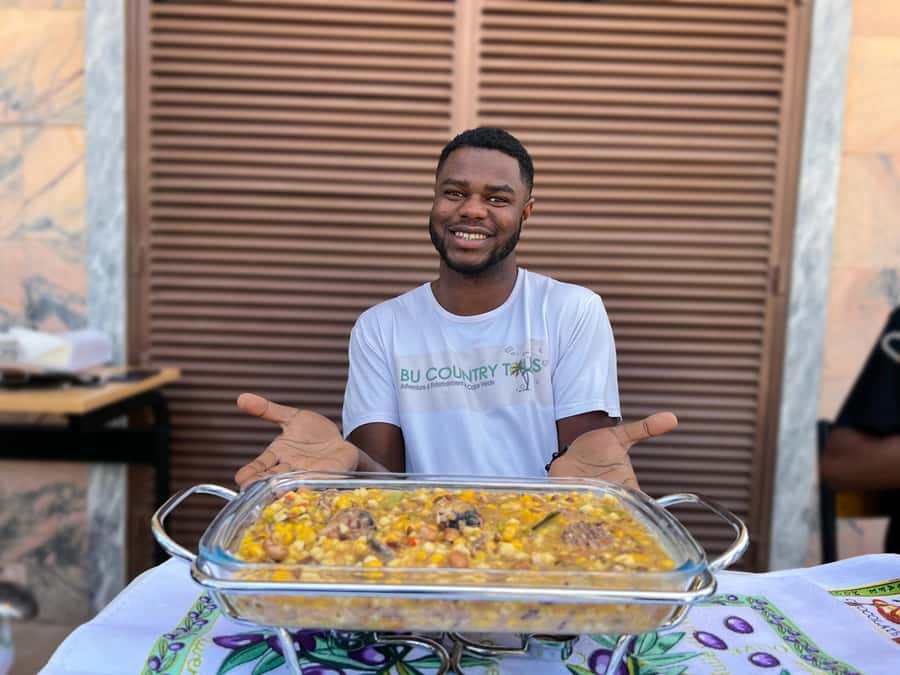
- You cook Catxupa from the ground up, built on corn and beans, plus your choice of meat or fish
- Small group limit of 10, which usually means more time at the work surface
- Hotel pickup and drop-off on Sal, so you lose less time figuring out transport
- English, French, or Portuguese live guide, depending on the session
- A recipe you can try again at home, so the experience travels with you
Catxupa on Sal: Real Home-Style Cooking With a Local Family
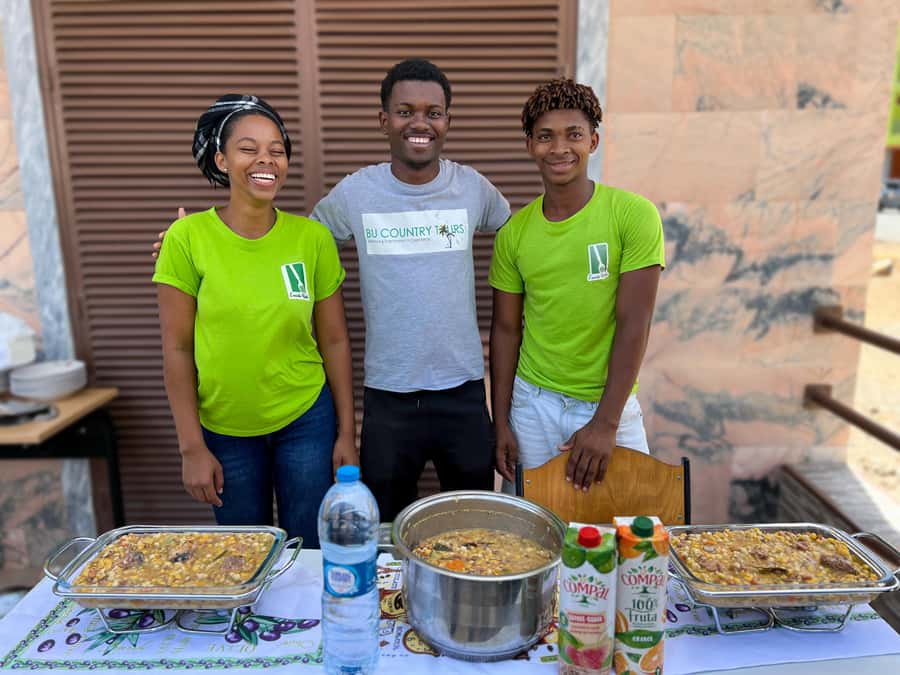
Catxupa is one of those Cape Verdean dishes that sounds specific, but it actually makes sense as everyday comfort food. It is built around corn and beans, then finished with your choice of meat or fish. In a class like this, the point is not just to eat well. It is to understand how the flavors fit together and how home cooks think about timing, texture, and seasoning.
What I like about this kind of format is that it treats cooking like a shared skill, not a performance. You are learning from a local cook, with a live guide on hand to keep things clear in English, French, or Portuguese. And because it is done with a family, you are likely to see the dish the way it exists in daily life, not only as a menu item.
One more reason this works on Sal: it is not a long, complicated day. The whole thing is only 2 hours, which is ideal if you want a meaningful cultural activity without sacrificing your beach time. If you are staying on or near a hotel, the included pickup also helps. You can keep your schedule simple.
Other hands-on sessions with Cape Verde makers:
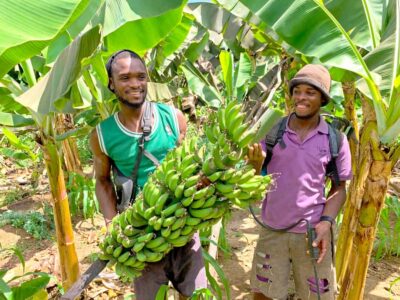
- From Praia: Banana Plantation Tour and Cuscuz Workshop
★ 4.8 · 75 reviews - Surf Lessons
★ 5.0 · 60 reviews - Sal: Surf Lesson
★ 4.7 · 48 reviews
The 2-Hour Flow: Pickup, Separate Entrance, Cook, Eat, Head Back
This is a short, well-paced experience. You will get hotel pickup and drop-off, and you should plan to wait in the lobby about 10 minutes before the scheduled pickup time. That little window matters. In a small-group activity, everyone moving together is part of why it stays on time.
Once you arrive, you enter through a separate entrance. Translation: you avoid getting stuck in lines or delays, and you can start cooking sooner. After that, the format is straightforward. You spend the time learning the steps for Catxupa, you make the dish, and you eat what you prepared.
Then you are back to your accommodation. For a first-timer on Sal, that is a big deal. You do not have to guess distances, public transport routes, or whether a taxi will find the right address. You can focus on the food, and when you are done, you can still enjoy the rest of the day.
A practical note: because it is only 2 hours, the activity will feel active. You will be moving through ingredient prep, cooking steps, and tasting. If you want slow food time where you can linger, this setup is not that. But if you want a concentrated lesson with a satisfying meal at the end, the timeline fits well.
What You Cook: Catxupa’s Corn and Bean Base, Plus Meat or Fish
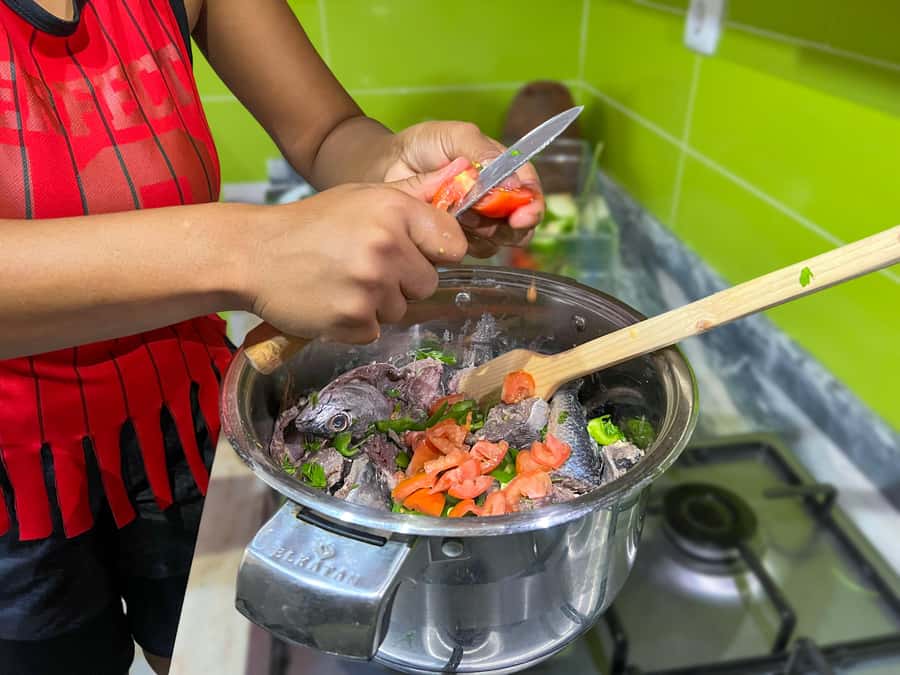
Catxupa is the star, and the class is built around that. You get the full ingredient set for the dish, and you learn how to put it together. The foundation is corn plus beans, creating that hearty, protein-focused base that makes Catxupa so filling.
Then comes the choice part: the recipe uses either meat or fish. That matters for two reasons. First, it changes the flavor direction. Second, it changes how you think about timing and cooking steps. In a hands-on class, you do not just learn the concept. You see how the protein choice affects the final result.
This is also where a guide helps. Even when you know the dish name, recipes can differ from household to household. A live guide in English, French, or Portuguese helps translate the steps into something you can repeat later. And if you are unsure what seasoning means in this cuisine, that guided explanation is the difference between copying ingredients and actually understanding what you are tasting.
One thing I would keep in mind: cooking with corn and beans can create a thicker, more filling texture than what some people expect from lighter meals. That is not a drawback. It is the point. You are learning the kind of dish that works as an everyday meal, and learning it means learning to respect the texture and cooking method.
Learn the Method, Not Just the Recipe: A Home-Cook Takeaway
The best part of any cooking class is whether you can recreate it later. This one is designed for that. You learn how to make Catxupa and you take away the recipe, so you can try it at home after you return.
To make that useful, focus on the method while you cook. Look for the signals: how the corn and beans behave as they heat, how the mixture thickens, and when the meat or fish is cooked through. Even if you cannot measure exactly the same way with your own tools, you can usually follow the logic of the process.
I also like the cultural side of this experience because it connects food to daily life. In past sessions, people noted not only the meal, but also time to learn about the dish and how it fits the Cape Verdean way of eating. You may even get a short dance lesson, depending on the flow of your session. That kind of add-on matters because it turns the class into a living moment, not a worksheet.
Now for the practical side. Since you are learning with a local family, the kitchen rhythm is part of the experience. You might be asked to help with tasks that do not feel like “tourist cooking.” That is good. It is how you learn faster and how the class feels more like joining a household for a meal rather than attending a demo.
At the end, you eat what you made. That is where you confirm whether your instincts matched the technique. And if you taste and adjust while you are still there, your home attempt will go smoother.
A few more Cape Verde trips to weigh against this one
- Mindelo: creol cooking with Catia
★ 4.8 · 70 reviews
Value on Sal: Small Group, Pickup, and Why $41 Can Make Sense
Pricing always deserves a reality check, so here is how I judge this one. You pay $41 per person for a 2-hour, small-group cooking class with:
- ingredients included
- a local cook and meal
- hotel pickup and drop-off
- a live guide in English, French, or Portuguese
- small-group format with a maximum of 10 participants
- separate entrance access to reduce waiting
If you try to recreate this on your own, you would still need ingredients, time, and some form of guidance. Even if you bought the basics, you would lose the cultural context and the cooking method explanations. Add the convenience of pickup and drop-off and you get a value case that is about more than the ingredient list.
The small group also matters. With up to 10 people, you are less likely to stand on the edge of someone else’s station. You generally get more chances to ask questions and do the steps, which is what you want from a cooking class.
Languages are another overlooked value point. You are not stuck with one language. Depending on what is available that day, the guide operates in English, French, or Portuguese, which makes it easier to follow the steps without guessing.
One consideration: because it is only 2 hours, you should show up ready to cook. If you arrive late, distracted, or hungry in a way that slows you down, you will feel it. But if you treat it like an active lesson, you usually get your money’s worth fast.
Who This Catxupa Class Is Best For on Sal
This class fits best if you want something more personal than a restaurant meal. You get to learn a signature dish, spend time with a local family, and leave with a recipe you can repeat later.
It is also a good match for people who like practical cultural experiences. Instead of collecting facts from a talk, you learn through ingredients and steps. And because it is a small group, it is friendly even if you are traveling solo. You are not just in a crowd watching.
I would steer clear if your ideal day is quiet and purely scenic. Food classes take focus. Also, it helps if you are comfortable being hands-on. This is not a sit-and-watch activity.
Language choice can help here too. If you are strongest in English, French, or Portuguese, pick that session type so you can understand the steps and the cultural context without straining.
Should You Book This Catxupa Cooking Class With Bu Country Tours?
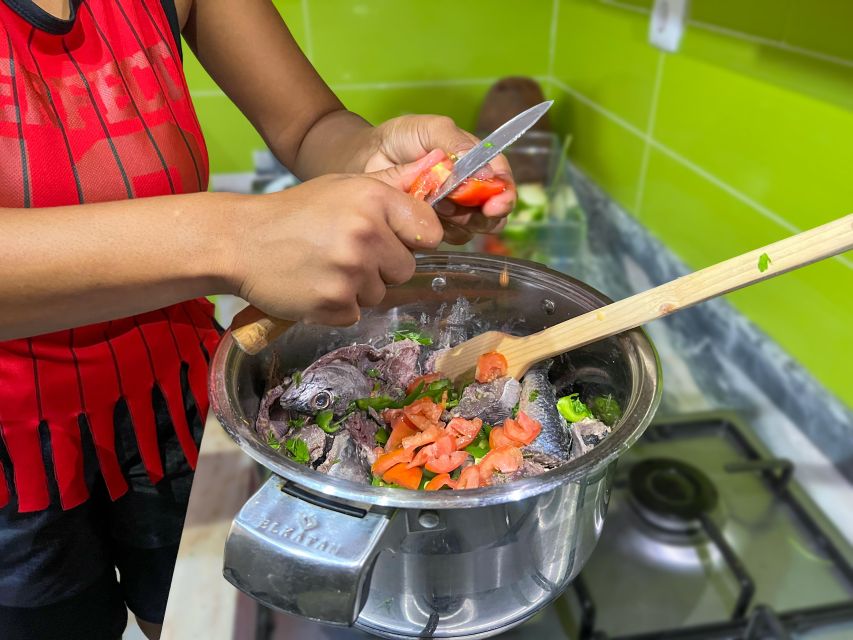
Book it if you want a short, high-impact cultural activity with a clear payoff: you cook Cape Verde’s Catxupa, you eat what you make, and you leave with a recipe you can try again at home. The included pickup, the small group size, and the fact that you get a live guide in English, French, or Portuguese all make this a practical choice, especially if you are not trying to navigate your day around local driving and directions.
Skip it if you hate hands-on kitchen time, you only want sightseeing with minimal interaction, or you are looking for a longer, slower cooking experience. For a focused 2-hour lesson on Sal, though, it is a strong value move.
FAQ
How long is the Catxupa cooking class?
The experience lasts 2 hours.
How much does the Catxupa cooking class cost?
It is priced at $41 per person.
Is hotel pickup and drop-off included?
Yes. Hotel pickup and drop-off are included.
How big is the group?
The group is kept small, limited to 10 participants.
What languages are the live tour guide available in?
The guide is available in English, French, and Portuguese.
Is Catxupa actually cooked during the class?
Yes. You learn to make Catxupa and you have a local cook and meal.
What is included in the class besides the meal?
Ingredients for Catxupa, a local cook, and the learning experience with a local family are included.
Is there an entrance that helps you avoid waiting?
Yes. You use a separate entrance to skip the line.
Can I reserve and pay later?
Yes. You can reserve now and pay later.
Is free cancellation available?
Yes. You can cancel up to 24 hours in advance for a full refund.
Just added around Cape Verde
- Sal Island Catamaran Cruise with All-inDrinks and Snacks★ 3.2 · 8 reviews
- Secrets of Sal Island 4×4 Tour with Pedra da Lume Salt Lake★ 4.2 · 8 reviews
- Full day sailing boat in Sal, Cape Verde:taste the Atlantic!★ 4.8 · 9 reviews
- Boa Vista Reef Snorkeling in Gatas Bay / Aperitif with Locals★ 4.4 · 46 reviews
Workshops, compared.

Banana Plantation, Natural Park & Workshop with a local family
Read our review →
Browse the lists this tour appears in