
Reviewed · KITESURFING
Sal: Kitesurfing Lessons
Kitesurfing lessons in Sal, Cape Verde are interesting because you get to practice a wind sport in a place built for it, with instructors focused on getting you safe and moving. I like that the instruction is from an IKO qualified kitesurf instructor, and I also like the way the lesson is paced so you can learn at your own speed. One thing to consider up front, you’ll be in the water and you need to be able to swim.
This is set up as a private group lesson, so you should expect closer attention than the usual big-group format. Also, the team includes an English, Portuguese, French, Italian, and Spanish speaking instructor, and I found that helpful if you want clearer safety cues. The big reality check is that the first session is not the same as being fully independent on the board.
Key points
- IKO qualified instruction focused on safety and basic kite control first
- Private group format helps you progress without feeling rushed
- Intro session includes land practice, setup, and water techniques like body dragging
- Kite Course builds step by step toward upwind riding and water starts
- Hotel pickup and drop-off plus equipment provided means less hassle for you
- You must be a confident swimmer for the water parts
Sal Wind, Sand, and a Kite You Can Actually Learn To Control
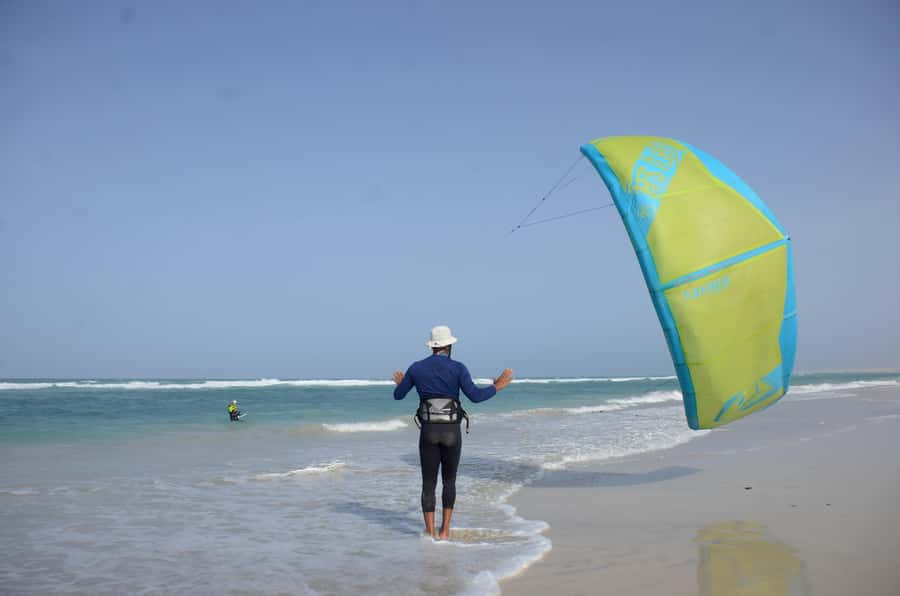
Sal has the right ingredients for learning kitesurfing: beach space, strong winds, and conditions that let your instructor teach you the core moves. What makes this lesson worth your time is that you are not just watching from shore. You are learning kite control and then applying it with coaching, so the wind becomes your teacher instead of your enemy.
The lesson is designed for people at different starting points. If you have never tried kitesurfing, you can start from zero. If you have tried before, you can still benefit, especially from the structured safety steps and repeated practice patterns.
One reason I like this setup is that it is paced around what you can do, not what you wish you could do. You will practice until the basics click, then move on. The instructor wants you to understand the why behind each step, so you are not just copying movements blindly.
And yes, kitesurfing really is harder than it looks. In the early stages, the kite, the lines, and your body all need to work together. That is where a good coach earns their pay.
More wind and board time on Santa Maria:
- Full-day tour – Salt Mine, Blue Eye, Shark Watch and Kite Beach
★ 4.5 · 23 reviews - Kite Surf Lessons on Sal Island
★ 5.0 · 17 reviews - Full Day Postcards of Sal Tour with Kite Beach and Local Lunch
★ 3.5 · 5 reviews
Price and what $141 buys you for 2 hours
At $141 per person for a 2 hour lesson, this can be good value if you show up ready to learn. Here’s why: hotel pickup and drop-off are included, and kitesurfing equipment is included for the whole lesson. So you are not juggling rentals, transport, or last minute gear.
Also, you are getting instruction from an IKO qualified coach, not a casual demo. In practical terms, that means you spend your time on controlled drills, safety systems, and the moments that usually frustrate beginners.
There is one value note to keep in mind. A full path to independent riding takes time. If you’re expecting to be cruising on the board by the end of your first session, you might end up disappointed. The good news is that even without full riding, you can leave with real skills: kite awareness, safe launches, and water body control.
Getting to the lesson: Santa Maria meeting point and WhatsApp timing
Your lesson starts with a simple but important logistics step: after booking, contact the provider through WhatsApp using the number on your voucher. The reason is straightforward, the start time varies each day.
You will meet in Santa Maria, on the road by the ocean. The meeting point is across the road from fabrica de grelhados, just by the Main Square and Ocean Cafe. If you arrive early, that area is easy to orient in, and it helps you avoid rushing when you still need to gear up.
Pickup and drop-off are included, so once your time is confirmed, the rest of the day should feel pretty smooth. That matters for wind sports, because the biggest delays usually come from late starts and missed briefings.
What the lesson actually includes, from kite control to water technique
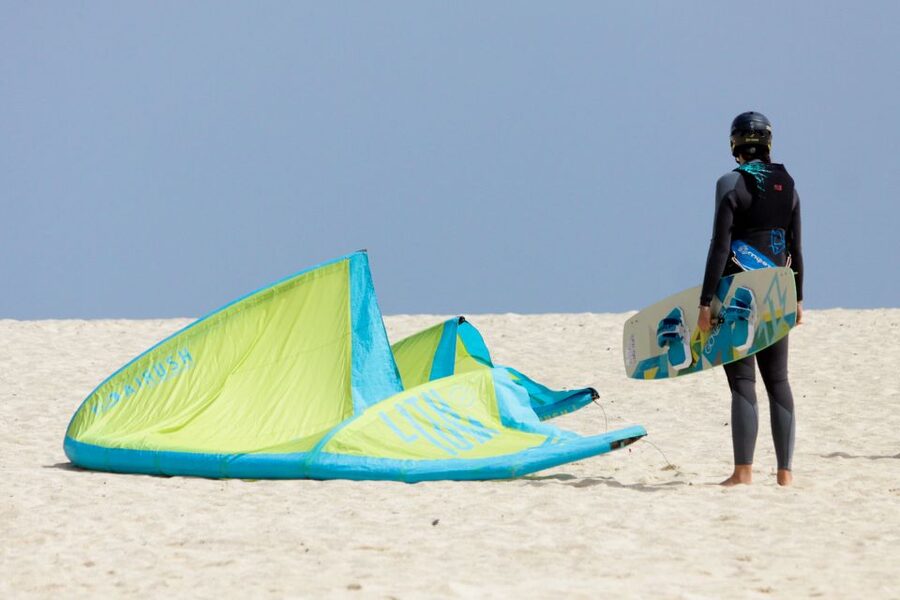
This experience is structured around stages. Even if you only book a single lesson session, the coach will teach core foundations that match how you progress later.
You can think of the training as four levels of skill building, with the first one for beginners:
- Intro Kite, a land and water based session
- Kite Course, which can include multiple additional lessons that build toward riding
The key takeaway is that you are not thrown straight onto a board and told to figure it out. You learn kite flying basics first, then kite setup and safety systems, then controlled water movements that teach you how to deal with the power of the kite.
Also, your instructors enter the water with you for the water technique drills. That kind of hands-on coaching is exactly what makes the early sessions feel manageable instead of scary.
Other hands-on sessions with Santa Maria makers:
- Sal: Surf Lesson
★ 4.7 · 48 reviews - Sal: Kizomba Group Class – Santa Maria, Cape Verde
★ 4.5 · 28 reviews - From Praia: Banana Plantation Tour and Cuscuz Workshop
★ 4.8 · 75 reviews - Sal Island: Catxupa Cooking Class with a local family
★ 4.7 · 72 reviews
Intro Kite (1st Lesson): training kite, safety systems, then body dragging
For complete beginners, the Intro Kite session is the gateway. It starts on land, then moves into water once you’re comfortable with the kite basics.
First, you practice basic flying skills with the training kite. This is not about looking cool. It’s about learning how the kite responds, how the lines feel, and how your movements affect the kite position.
Then the instructor moves you into big kite fundamentals. You’ll go through the setup and safety systems for the larger kite. This is a major part of the value of the lesson. If you understand the safety system and how to use it, you can learn faster because you feel secure enough to concentrate on technique.
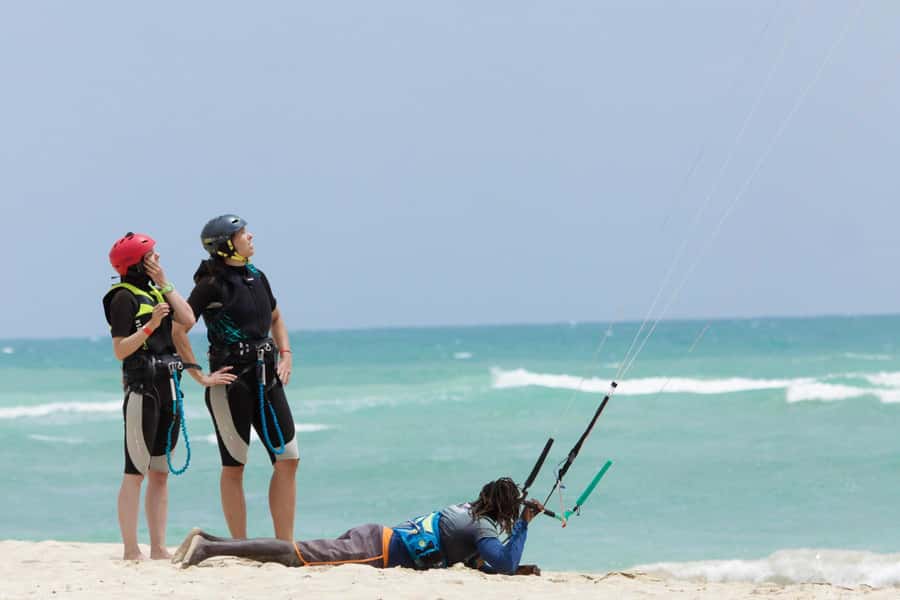
After the setup work, you practice on land with the instructor supervising your control and positioning. Once you’re ready, you enter the water.
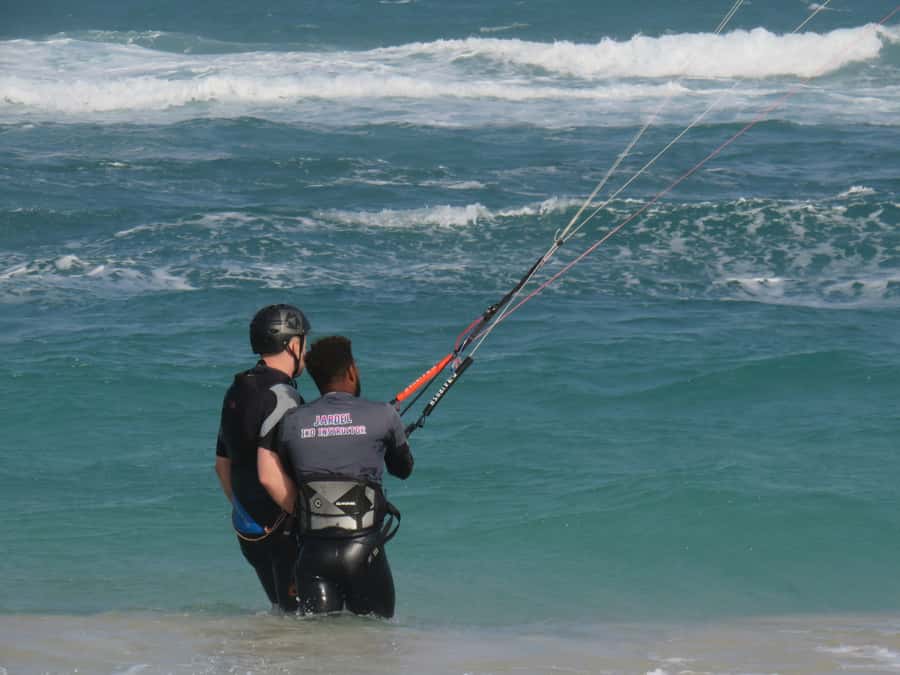
In the water, you learn the technique called body dragging without the board. The goal here is to get you moving with the kite while keeping your feet out of the board equation. You learn how to get away from the beach, and importantly, how to return back to it safely.
Then you practice launching the kite from the water. This is one of those skills that beginners underestimate. It’s not just launching, it’s launching with control so you can manage power without getting overwhelmed.
One practical reality check based on real expectations: this first session is about control and getting comfortable. If your hope is to be riding immediately by the end, calibrate that expectation. Full riding comes after more repetitions and more session time.
Kite Course (1st through 4th Lessons): upwind, downwind, relaunches, and water starts
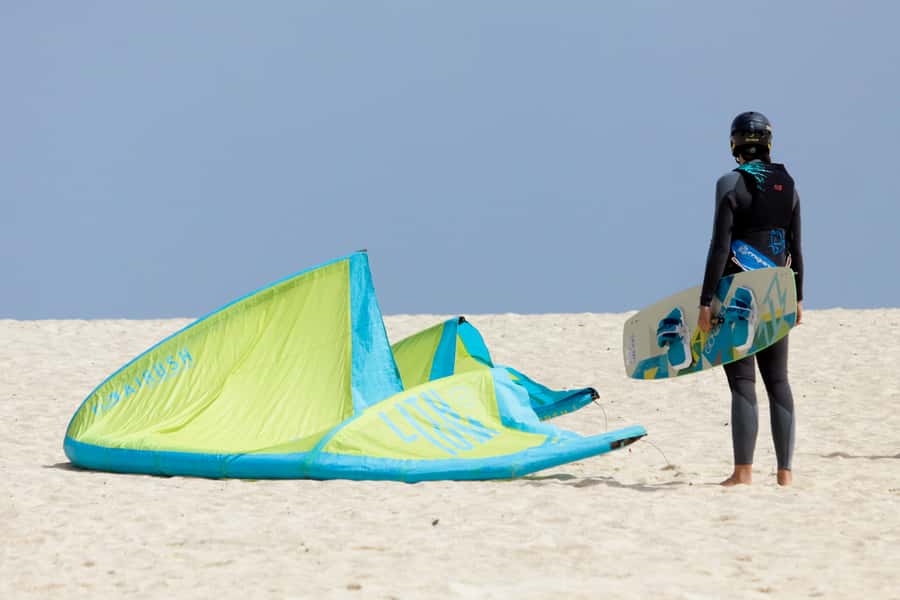
If you pick the full Kite Course option, the training continues step by step. Each lesson builds on what you did before. The idea is simple: control the kite reliably, then combine kite control with your body position and board timing.
2nd Lesson: upwind and downwind, plus relaunches from the water
In the second water-based session, you learn how to go upwind, meaning toward the wind, and how to go downwind, meaning away from the wind. This is where kitesurfing starts to feel like a riding sport instead of a kite handling exercise.
You also practice relaunches from the water. Relaunching is essential because it is how you recover if you lose the kite or need to reset. You’re training for real life on the water, not perfect scenarios.
You’ll also work on changing direction when body dragging. That helps you build awareness and control, which becomes critical later when you start riding.
3rd Lesson: first board work, water start, and getting up on the kite
The third session introduces the board. The first stage is body dragging with the board in one hand and the kite controlling you. This is a bridge step. It reduces the shock of adding another moving part.
Once you can manage that, the instructor shows you how to put the board on your feet and perform a water start. A water start is basically the moment you transition from being dragged to actually riding.
This is also where some people realize why consistent practice matters. The water is moving, wind shifts happen, and your timing needs to improve session after session.
4th Lesson: independent practice foundation
By the fourth session, you practice water starts and begin riding a little in each direction. The lesson aims to get you to the stage where you can kitesurf independently.
That final step matters because it turns your lesson time into a launch point. After that, the plan is simple: rent equipment and practice.
If you’re building toward that, the full course is your best bet. If you’re doing it as a try-it once activity, Intro Kite still gives you real skills, but you should expect a slower path to full riding.
Instruction style: what you can expect from the coach and team
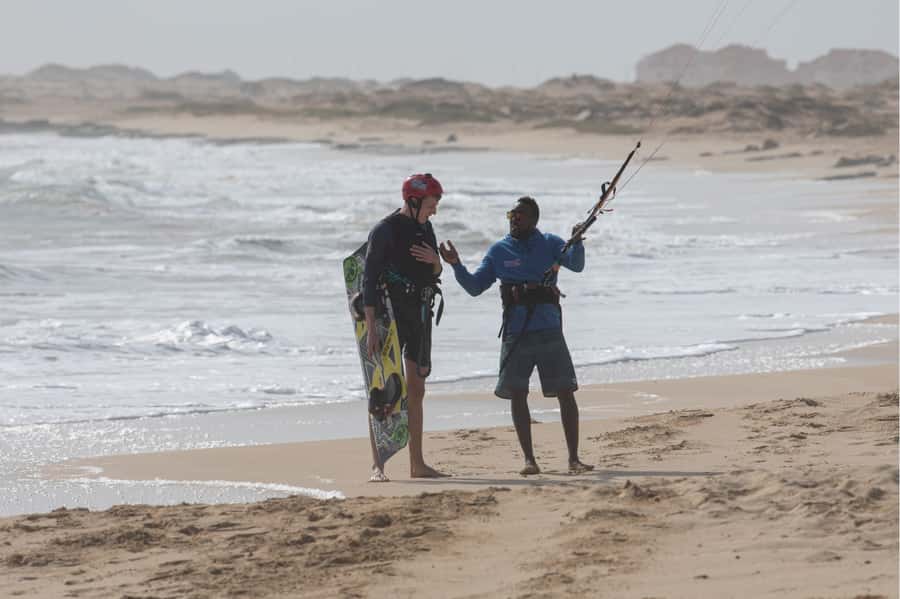
The best part of this kind of lesson is when instruction is clear enough to make fear shrink. In this program, the coach and team focus on pacing, safety, and repeated practice.
One thing I’d listen for is how the instructor explains safety systems and drills. You want to understand what actions you take if something goes wrong, because that transforms anxiety into procedure.
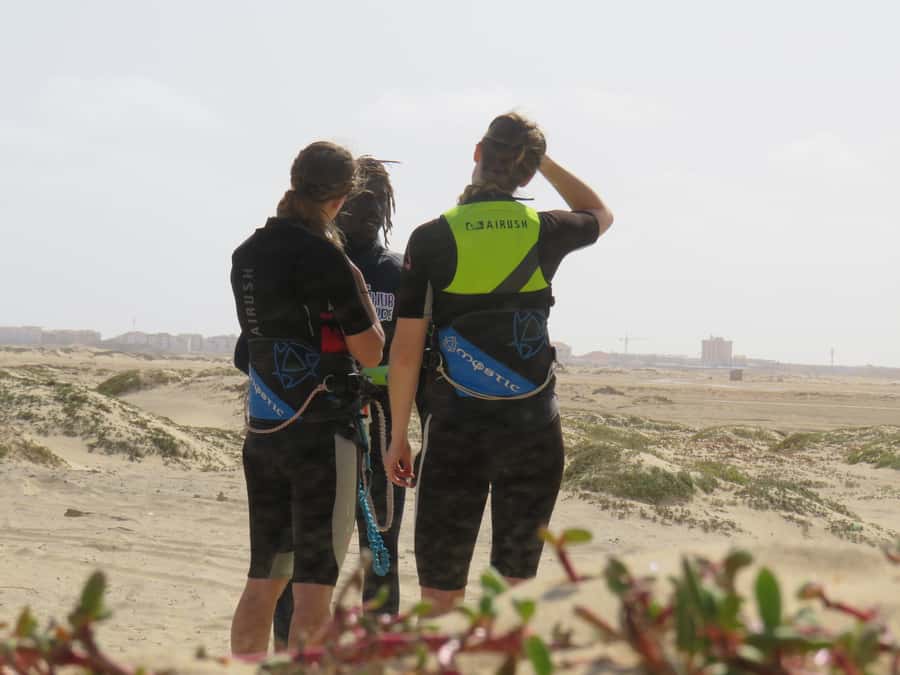
In at least one experience, the team included Amy and the rest of the group, and the vibe was friendly and helpful. That kind of energy matters with a wind sport, because a beginner needs encouragement, but also crisp corrections.
Also, the instructor speaks multiple languages including English, Portuguese, French, Italian, and Spanish. If your comfort language is not English, you still have a good chance of getting instruction you can follow without guessing.
Waves, wind, and why “beginner-friendly” still has limits
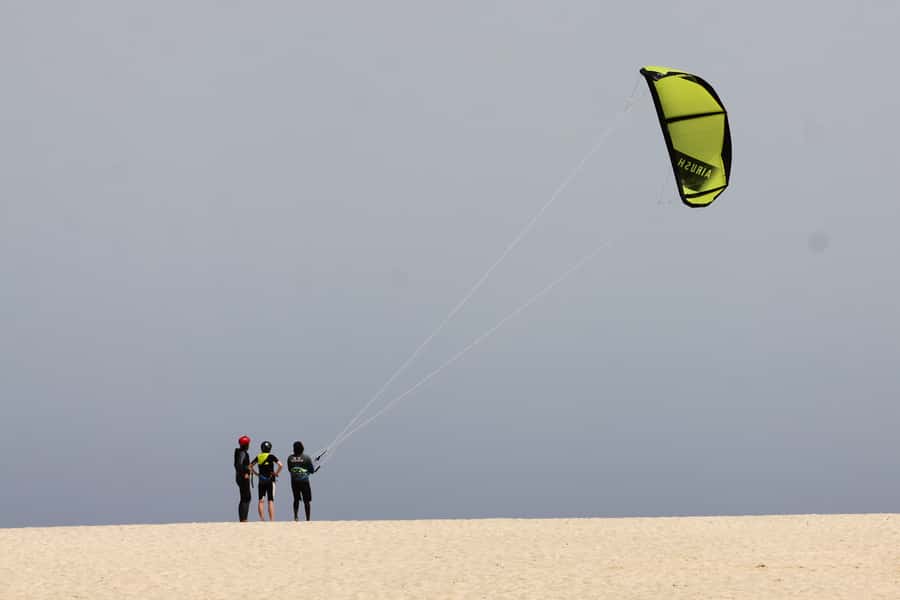
Kitesurfing conditions are real, not imaginary. Sal can have enough waves that total beginners might feel challenged. If you’re very new to open water and surf conditions, it’s worth noting that waves can make early practice harder.
Here’s how to approach that honestly. If your goal is just to get basic kite control and body dragging, the lesson can still be a strong win even if riding the board is not your focus yet.
But if you’re a complete beginner and you also struggle with waves, ask your instructor to adapt drills and focus on the fundamentals. The lesson aims for learning at your own pace, and that adaptation is usually the difference between feeling overwhelmed and feeling motivated.
Also remember the swim requirement. People with mobility impairments are not suitable for this activity, and non-swimmers should avoid it entirely. This is not a walking-on-the-beach kind of lesson once you enter the water.
Meeting the day: what to know so you can learn faster
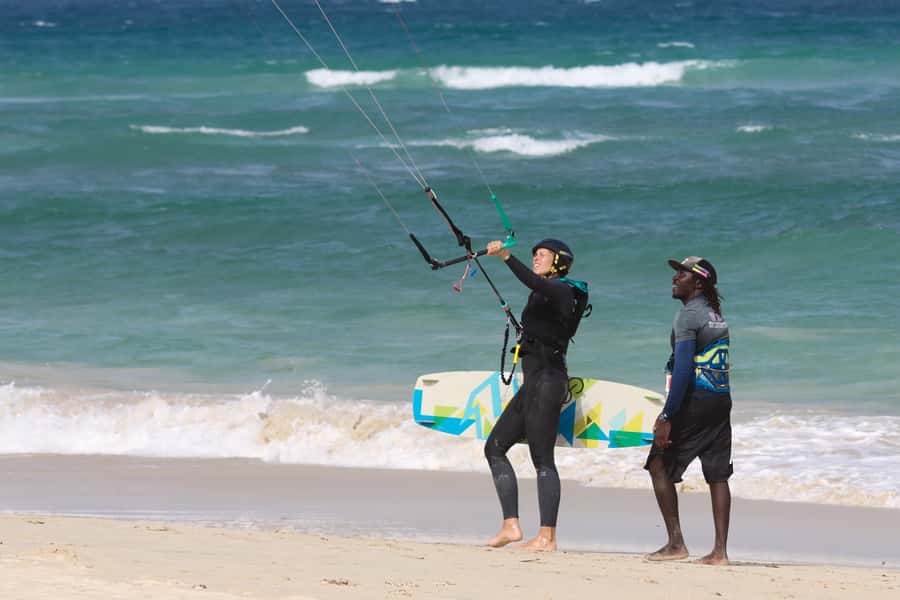
Even without extra frills, you can make your two hours count.
First, treat the safety systems part as your foundation. When you know how the safety works, you stop spending mental energy worrying and start focusing on technique. That makes everything easier, from controlling the kite to positioning your body for body dragging.
Second, commit to the drills even if they feel slow at first. Kite control and water launches are not the glamorous part of kitesurfing, but they are what keep you progressing instead of resetting.
Third, expect that the lesson might not end with full riding. In fact, a common expectation problem is thinking you will be on the water properly at the end of the first lesson. The reality is that you may be advised it takes many hours, around 9 to 10, to reach consistent riding. That sounds like a lot, but it’s the trade-off for learning safely and correctly.
Finally, ask questions. A private group format is usually your chance to get direct answers about what you’re doing and why.
Who should book this kitesurfing lesson in Sal
You’ll likely love this if:
- You want an organized first try at kitesurfing with a qualified instructor
- You’re comfortable swimming and ready to practice in the water
- You value hands-on coaching, not just watching
- You like structured progression from kite control to water starts
You might not love it if:
- You want guaranteed board riding after one 2 hour session
- You are not a confident swimmer or you have mobility limitations
- You hate being in strong wind and moving water environments
If you’re the type of traveler who prefers active learning, this fits well. It is also a nice activity for a beach week, because it gives you a reason to spend time outdoors beyond relaxing.
Should you book it?
Book this if you want to learn the real foundations of kitesurfing in Sal, with IKO qualified instruction, equipment provided, and pickup and drop-off so you can focus on the lesson. The private group feel is a strong advantage, and the step-by-step structure means you should leave with practical skills, even if full independent riding takes more practice.
Skip this or ask very pointed questions first if you expect instant riding after the first session, because the training is designed for safe progress, not shortcuts. And if you are not comfortable swimming, this is not the right activity for you.
If your goal is to build toward riding at your own pace, Sal and this coaching format are a smart place to start.
Just added around Santa Maria
- Santa Maria, Sal: Ultimate Guided Turtle Nesting Experience★ 4.8 · 9 reviews
- Lemon Shark Experience from Sal★ 4.5 · 37 reviews
- Sal Island All-inclusive Adults-only Catamaran Cruise★ 5.0 · 3 reviews
- 4×4 Off Road Full-Day Private Tour – Sal Island Hidden Secrets★ 5.0 · 3 reviews
- Sal: Small Group Island Tour & Lunch with a Local Family★ 4.4 · 3 reviews
- Santa Maria: Trolling Fishing Trip★ 2.8 · 3 reviews
- Sal Island Turtle Watch Tour in Natural Habitat★ 2.1 · 3 reviews
- Sal: Romantic Sunset Escape with Wine and Roundtrip Transfer★ 4.3 · 3 reviews
Kitesurfing, compared.
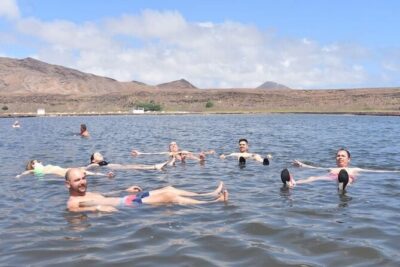
Full-day tour – Salt Mine, Blue Eye, Shark Watch and Kite Beach
Read our review →

Full Day Postcards of Sal Tour with Kite Beach and Lunch
Read our review →

Full Day Postcards of Sal Tour with Kite Beach and Local Lunch
Read our review →Browse the lists this tour appears in