
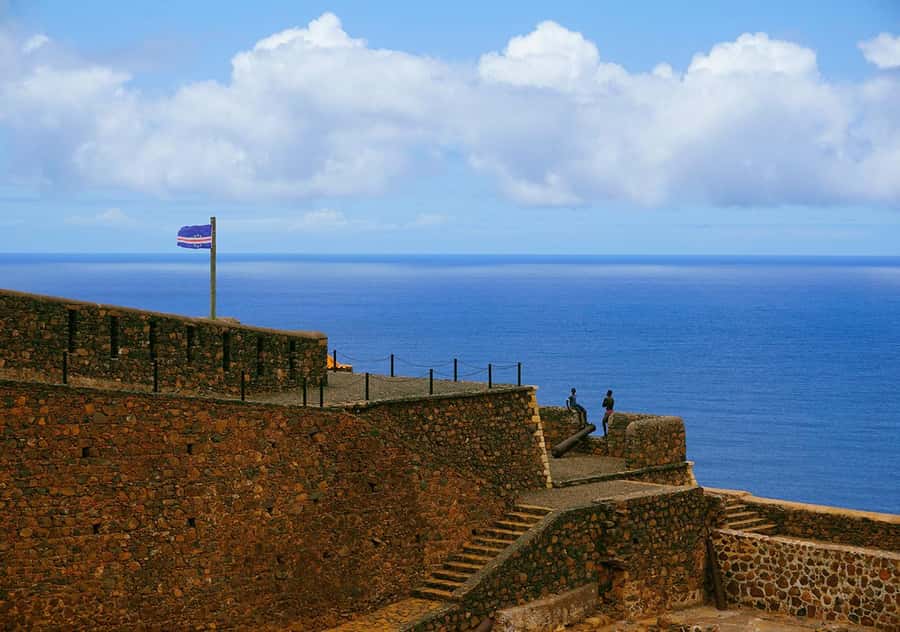
Reviewed · CIDADE VELHA TOURS
Santiago Island: Highlights of Cidade Velha with Local Guide
Cidade Velha on Santiago Island is fascinating because it shows Cape Verde’s story in layers, from early European settlement to pirate defenses. I love how the guided walking tour strings together major sights into one clear route, especially the Royal Fortress views. I also like the fact you get more than monuments, you’re pointed toward Cape Verdean culture through fishermen, small streets, and places tied to hard history.
Budget note: plan for the São Filipe Fortress entrance fee (5 euros per person), and remember it can be closed on holidays.
Key highlights worth your time

- Cidade Velha UNESCO setting: the birthplace of Cape Verdean nation and culture, laid out for a focused 3-hour visit
- São Filipe Fortress panorama: pirate defense history with views over the colonial buildings and Calhau fishing bay
- Sé Cathedral ruins: you’ll see what’s left of the first sub-Saharan African cathedral
- Pelourinho (former slave market): the tour treats slavery history as a key part of understanding the island
- Banana Street and thatched houses: traditional streetscapes right before you head to the Convent of São Francisco
- Black-sand beach and fishermen: you get a break from stone and angle toward everyday local life
Why Cidade Velha is a standout on Santiago

Cidade Velha is the kind of place that makes your brain click into place. You’re not just looking at old walls. You’re walking through a timeline that connects colonization, trade, and slavery to what still feels present in Cape Verdean culture.
This tour is timed well for first-timers. At about 3 hours, you can cover the highlights without turning your day into a blur of photos. The route also helps you understand why these locations matter. Even if history is not your main hobby, the guide makes the sights make sense, so you’re not just staring at ruins and hoping they have captions.
What I particularly like is that the experience balances big themes with local texture. You move from fortress defenses to cathedral remnants, then to the Pelourinho area, then onward to streets and convents. And at some point, you’re walking near the water and meeting fishermen. That mix keeps the tour from feeling like a textbook.
One more practical point: you can pick a shared group tour or go private or small group. If you want more control over pace or conversation, private can be the smart choice.
More of Cidade Velha:
- Praia & Cidade Velha: Guided City Tour
★ 4.8 · 80 reviews - Santiago: Calabaceira Valley Trek & Visit to Cidade Velha
★ 4.8 · 49 reviews - From Praia: Cidade Velha, Tarrafal & East Side Island Tour
★ 4.8 · 23 reviews
Getting to the start: pickups in Praia and Cidade Velha
The tour includes transportation plus hotel pickup and drop-off. Most of the time, pickup is from Praia, and the drop-off brings you back to your accommodation after the walk. The tour also lists an option with Cidade Velha as a starting point, which can be useful if you’re already staying closer to the historic core.
Why this matters: Cidade Velha is historic, but it’s still a real place with morning rhythms. Having pickup handled means you spend your energy on the actual walking and the guide’s storytelling, not on figuring out logistics.
Also, this is a guided experience with liability insurance included. That small line item matters more than people think. It signals a tour setup that takes safety and responsibility seriously.
São Filipe Royal Fortress: pirate defense with real viewpoints
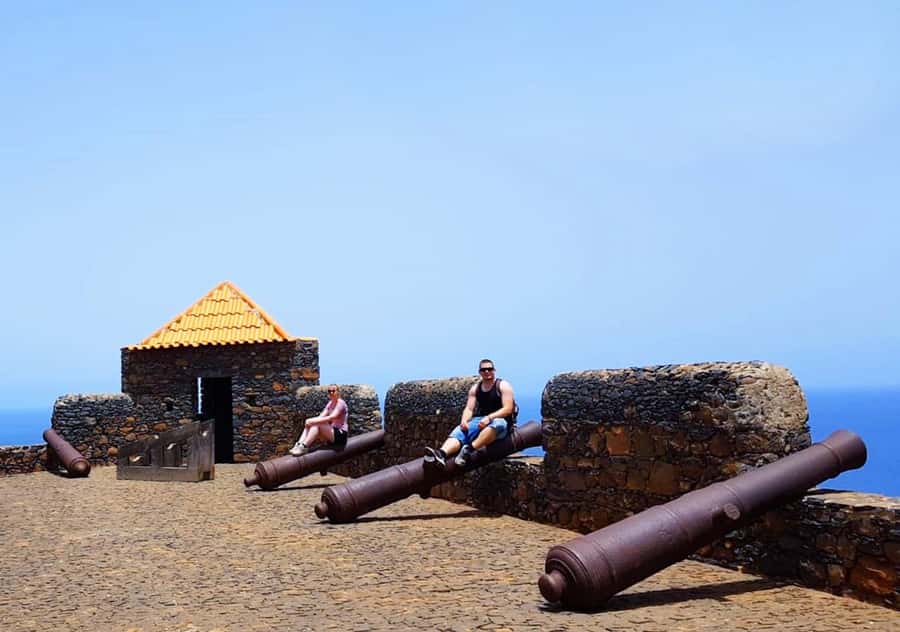
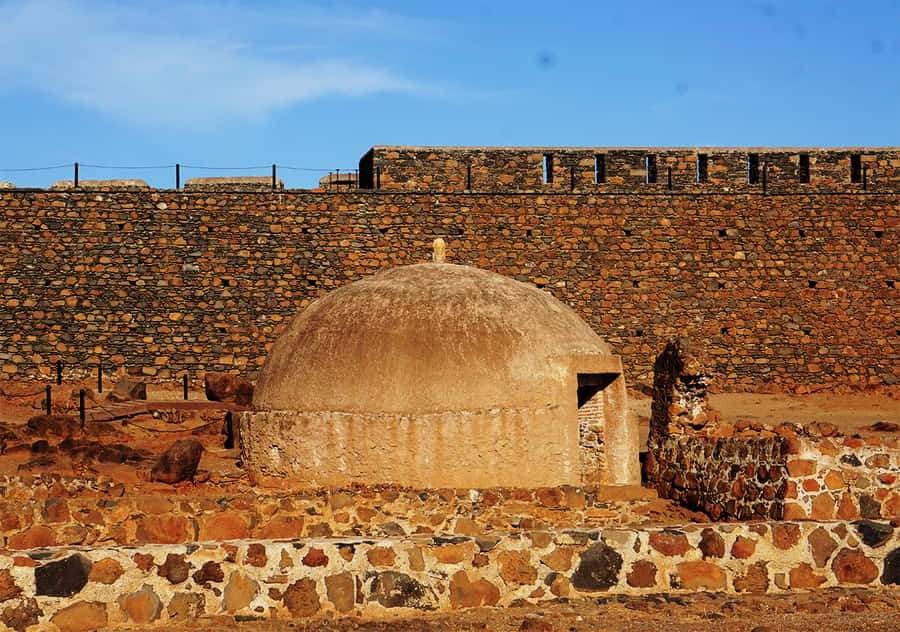
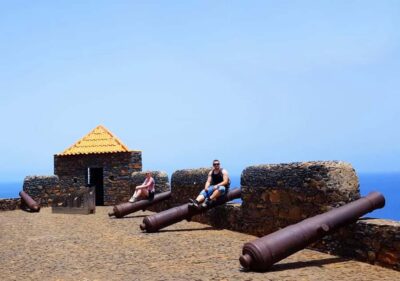
One of the best moments comes right at the start, when you’re led to the ancient São Filipe Fortress. The point here is simple: the fortress was built to protect the island against pirate attacks. Standing in that atmosphere, you start understanding why the Europeans were fortifying this part of Santiago.
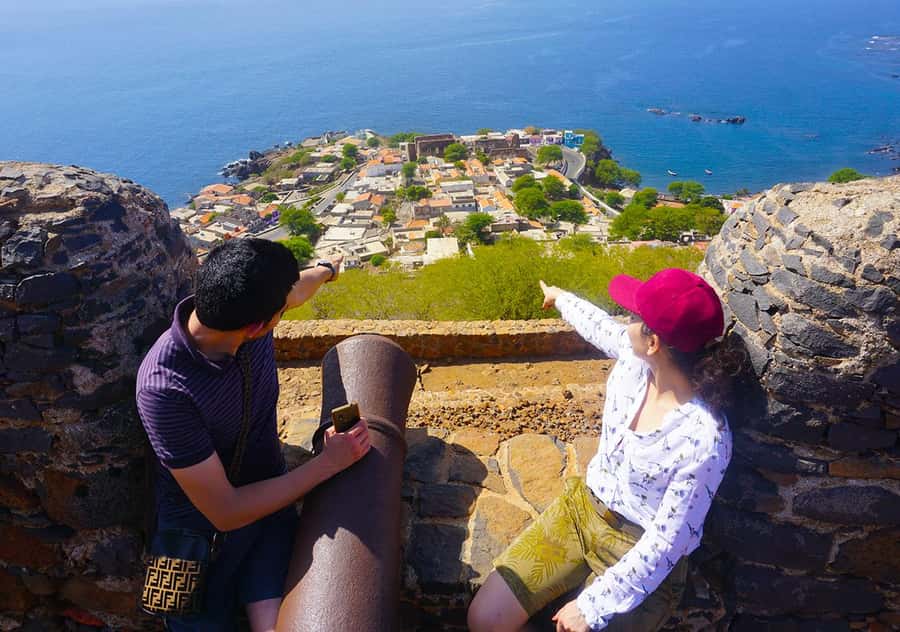
And then comes the view. From the top, you get panoramic lookouts over colonial buildings and the Calhau fishing bay. This is not a generic photo stop. The guide ties the geography to the defense story, so you can imagine ships approaching, sightlines, and why certain spots mattered.
Two practical things to know. First, the fortress entrance fee is separate at 5 euros per person. Second, the fortress can be closed on holidays. If your travel dates land on a holiday, it’s worth confirming what will be accessible on that day so you’re not stuck with a partial version of the fort portion.
Sé Cathedral ruins: seeing faith history in the cracks
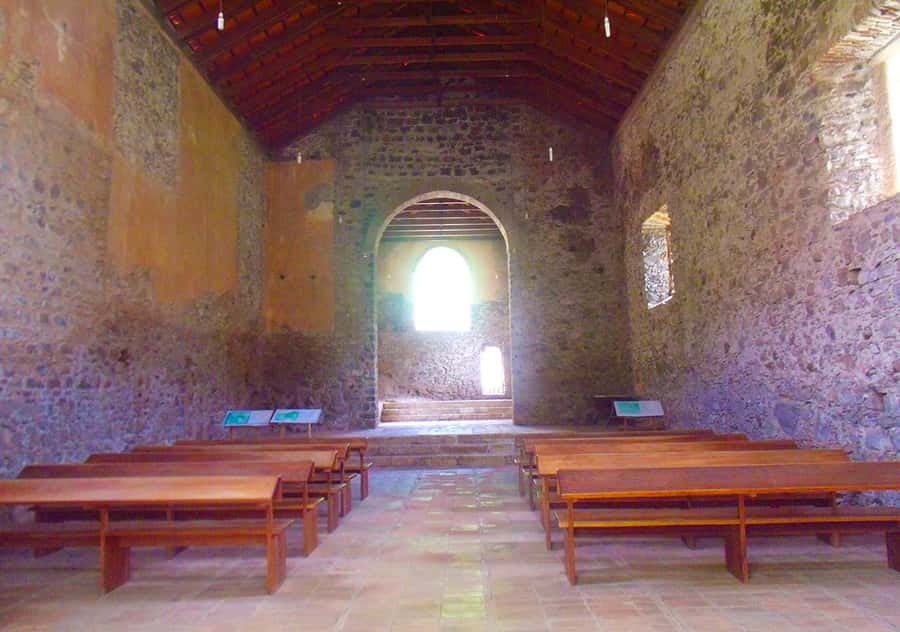
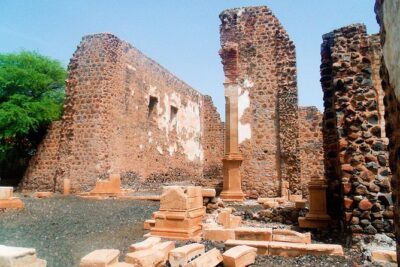
From the fortress area, you head toward the ruins of the Sé Cathedral. This is a standout stop for a specific reason: you’re looking at the remains of the first cathedral in Sub-Saharan Africa.
Even if you’ve seen cathedrals before, ruins hit differently. The guide helps you look past the broken stones and toward what they represented. You start to see how religious structures were part of the larger colonial footprint, not just separate spiritual sites.
A good guided tour does something subtle here. It gives you a framework for what you’re seeing. Without that, cathedral ruins can feel like any other rubble pile. With context, the same walls and foundations become evidence, pointing to how power and belief were carried across oceans.
A few more Cidade Velha trips to weigh against this one
- Like Locals: Praia and Cidade Velha Tour + Local Pontxi Tasting
★ 5.0 · 19 reviews - Santiago Island: 4-Hour Calabaceira Valley Hike & Guided Tour to Cidade Velha
★ 5.0 · 18 reviews - Santiago Island: Best of Praia & Cidade Velha Tour, a World Heritage Site
★ 5.0 · 15 reviews - Guided City tour Praia with Cidade Velha (World Heritage)
★ 5.0 · 10 reviews
Pelourinho: the former slave market and why the stop matters
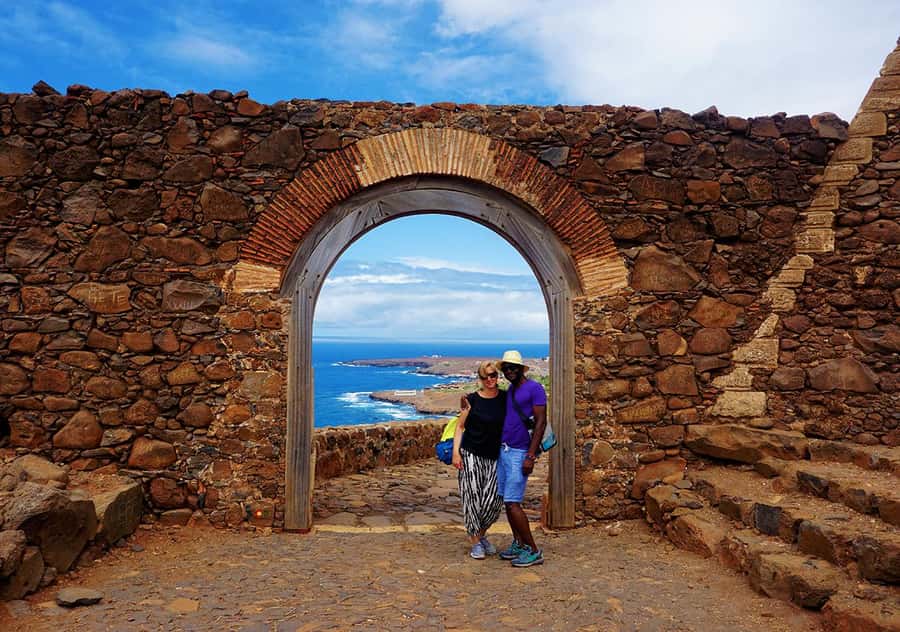
Then you reach Pelourinho, linked to the former slave market. This part of the walk is the most emotionally heavy. The tour doesn’t treat it as an optional side note. It’s presented as a key element for understanding colonization and slavery in Cape Verde.
Why I think this stop is valuable: it connects the island’s history to human experiences, not just architecture. You’re not just learning that slavery happened. You’re walking through a place that helps you picture how a system could become normal in everyday life.
In a tour like this, the guide’s tone and clarity matter. The best feedback for this experience consistently points to guides who can explain difficult material calmly. Names that come up in guide praise include Ailton, Jose, Yvonne, Ricardo, and Andrew, often mentioned for being friendly, patient, and careful with explanations. That kind of approach makes a somber subject easier to process.
If you prefer to take things slowly during emotionally intense stops, this is the sort of tour where you can ask questions and stay in the moment.
Banana Street and the Convent of São Francisco
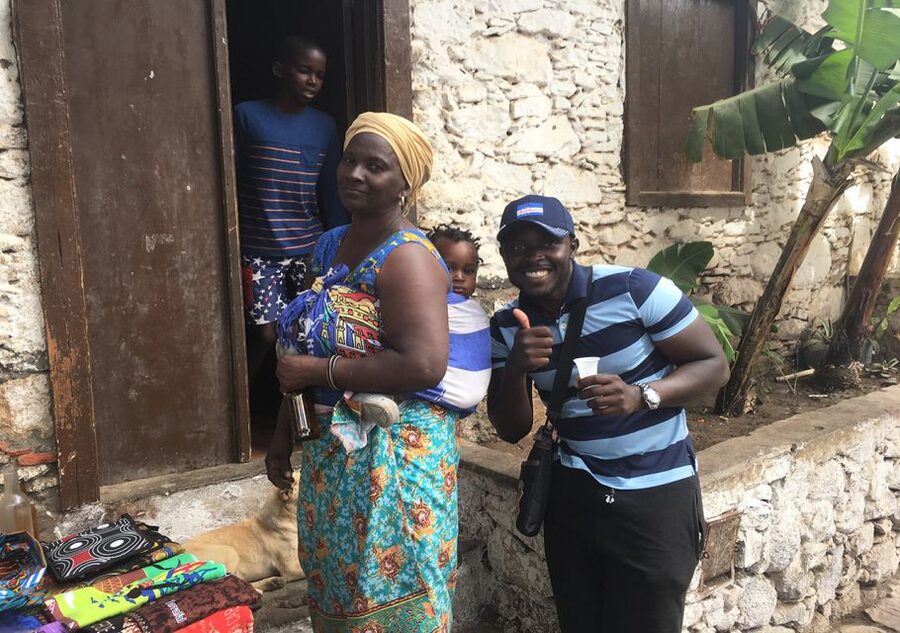
After Pelourinho, you move into Banana Street. The description includes traditional thatched houses, and that’s exactly what you’re looking for here. This is the everyday Cape Verde look, scaled to the neighborhood, not packaged for a bus tour.
Banana Street works as a breather after the heavier context. It also gives you a contrast that matters. You start to see how the island’s identity continued to evolve in the same spaces where outside forces were shaping society.
Next up is the Convent of São Francisco. The guide brings you through this highlight with the same theme of connection. Colonial-era faith sites are not just objects to pass by. They’re part of how communities were organized and how power was expressed.
If you’re the type who likes to understand the function of buildings, not just their appearance, this portion should click for you. You get guided stops that slow you down enough to actually notice details.
Calhau fishing bay, black-sand beach, and meeting local fishermen
One of the more memorable parts is the time near the water. The tour includes a walk on a black sand beach and time to meet local fishermen. It’s not presented as a staged performance. It’s framed as real local life in the areas around Cidade Velha and the coast.
You’ll also see Calhau fishing bay viewpoints from the fortress side, so this water theme threads through the experience. That repetition matters, because it helps you build a mental map. First the view, then the shoreline walk, then the fishermen connection.
This is also where Cape Verdean culture feels less like a historical label and more like something you can still observe today. Even if you can only manage a quick conversation, the guide’s presence helps you ask better questions and understand what you’re seeing.
If you’re worried the tour will be all monuments and no people, this portion is a strong antidote.
Pace, group style, and what language support is like
You can do this tour in a shared group or in a private or small group setup. Shared group tours are subject to a minimum of 2 participants. If you’re the only one in your time slot, the operator may propose an alternative date, run it privately with an extra fee, or cancel with a full refund.
That matters if you’re traveling with tight plans or if you really want a predictable start time. For comfort and conversation, private or small group can also make it easier to ask follow-up questions.
Language support includes English, French, Portuguese, and Spanish. In the feedback, English clarity gets praised when guides have a strong command of the language. That’s a key point if you want to understand every connection the guide makes. There is at least one note that pronunciation could be a bit difficult to catch at times, so if language precision is important to you, consider choosing private or a guide that matches your preferred language.
Price and what makes it good value
The price listed is 57 USD per person for a 3-hour tour. That’s relatively fair for a guided walking experience that includes transportation, a tour guide, and hotel pickup and drop-off.
Here’s how I think about value with tours like this. You’re paying for three things:
1) A route that covers the key sites efficiently
2) Interpretation that helps the history make sense
3) Convenience, because pickup and transport save time and effort
That’s why the separate 5 euros per person fortress entrance fee matters for budgeting. It’s not included, and it’s a real add-on. Lunch is also not included, so you’ll either want to eat before or plan something after the tour.
Still, if you’re staying in Praia and want to get to Cidade Velha without fuss, the package format is usually a win. You spend the morning learning and walking, then you’re sent back.
Who should book this tour, and who might skip it
This tour is a great fit if you:
- want the core Cidade Velha highlights in a short time
- care about context, especially colonization and slavery history
- like walking tours with a guide who can explain what you’re seeing
- enjoy cultural contrast, from fort views to streets with thatched houses
You might consider another option if you:
- are visiting on a holiday, since the São Filipe Fortress can be closed
- dislike tours where part of the route focuses on slavery history
- have a strict budget and don’t want to add the fortress entrance fee on top
Should you book it?
If you’re in Praia and you want a guided path through Cidade Velha that actually connects the dots, I’d book this. The combination of fortress views, cathedral ruins, Pelourinho, and the Convent of São Francisco gives you a rounded picture of the city in just 3 hours.
Two final decision boosters. First, if you can, choose a guide and language you feel comfortable with, because the tour depends on good explanations, especially at Pelourinho. Second, do quick planning around the São Filipe Fortress entrance fee and holiday schedules, so you don’t get surprised on the day.
Done right, this is the kind of Cape Verde experience that makes the island feel specific, not generic. You walk out with a sharper map of both geography and history.
FAQ
How long is the Santiago Island Cidade Velha highlights tour?
The tour lasts about 3 hours.
What is the price per person, and what is not included?
The price is 57 USD per person. Lunch is not included, and the entrance fee for the São Filipe Fortress is 5 euros per person.
Where are the pickup and drop-off locations?
Pickup and drop-off are included. The tour includes pickup from your accommodation in Praia, and it also lists an option to start in Cidade Velha. Drop-off is available in Cidade Velha and Praia.
What languages is the live tour guide available in?
The live tour guide is available in English, French, Portuguese, and Spanish.
What should I bring?
Bring water.
Is the São Filipe Fortress always open?
No. The São Filipe Fortress is closed on holidays.
Just added around Cidade Velha
- Best of Santiago Island: Cidade Velha, Workshop & Tarrafal Beach Tour★ 4.5 · 3 reviews
- Praia: Plateau and Cidade Velha Guided Tour★ 5.0 · 3 reviews
- Private Tour Cidade Velha/Discover OLD CITY★ 5.0 · 4 reviews
- Highlights of Cidade Velha with local guide★ 4.5 · 7 reviews
- Shore Excursion: 3-Hour Guided Historic Tour of Praia & Cidade Velha★ 5.0 · 9 reviews
- Guided City tour Praia with Cidade Velha (World Heritage)★ 5.0 · 10 reviews
- Santiago Island: Best of Praia & Cidade Velha Tour, a World Heritage Site★ 5.0 · 15 reviews
- Like Locals: Praia and Cidade Velha Tour + Local Pontxi Tasting★ 5.0 · 19 reviews
Cidade Velha Tours, compared.


Like Locals: Praia and Cidade Velha Tour + Local Pontxi Tasting
Read our review →
4-Hour Calabaceira Valley Hike & Guided Tour to Cidade Velha
Read our review →
Best of Praia & Cidade Velha Tour, a World Heritage Site
Read our review →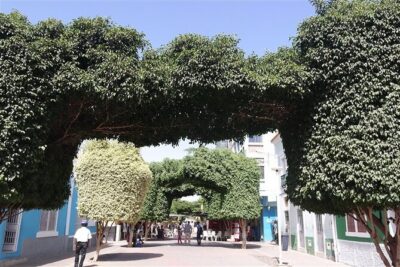
Guided City tour Praia with Cidade Velha (World Heritage)
Read our review →
Shore Excursion: 3-Hour Guided Historic Tour of Praia & Cidade Velha
Read our review →Browse the lists this tour appears in