
Reviewed · TURTLE WATCHING
Watch Sea Turtles Nesting – Night Tour in Sal Island
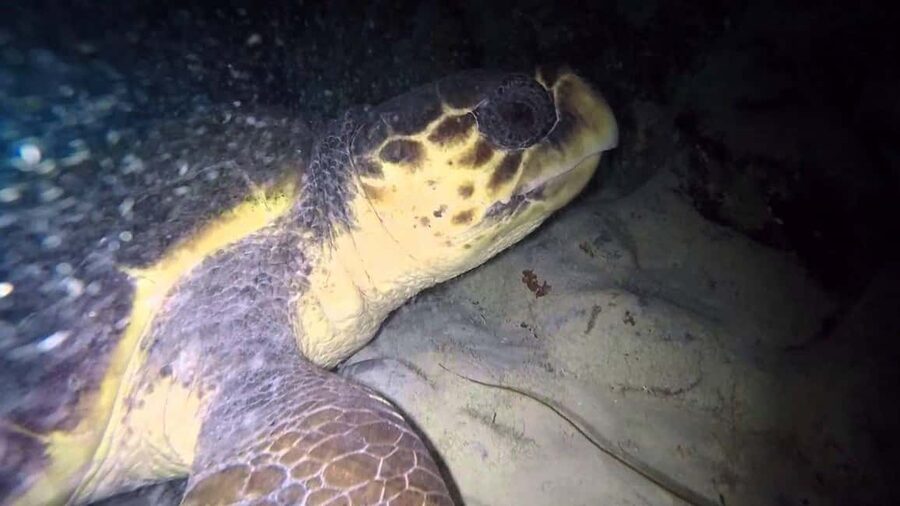
Nighttime wildlife on Sal Island is special because you are watching a rare, slow drama unfold right on the beach, under real Cape Verde stars. This is about loggerhead sea turtles and the moment they come ashore to nest, not a quick roadside stop.
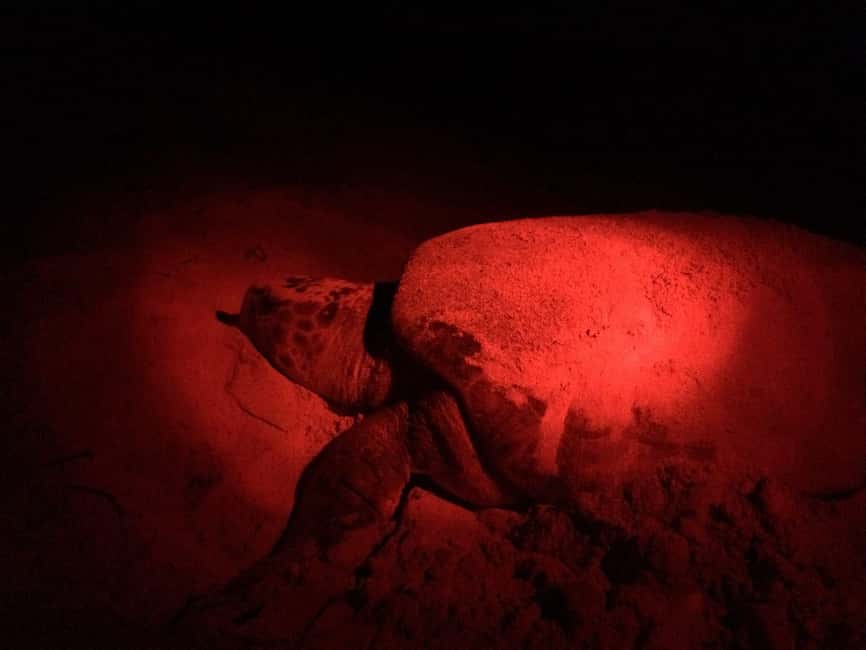
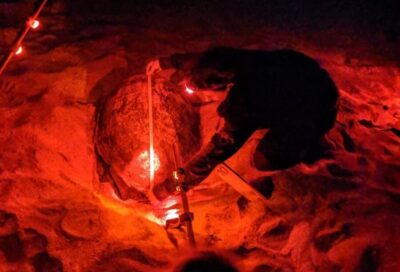
What I like here is the care in the details. You get a briefing and conservation context from local guides, and the tour uses infrared lighting (plus low-impact red lights) so you can see without shining harsh light at nesting turtles.
One thing to keep in mind: the activity depends on what the turtles do that night. If nesting behavior is brief when you arrive, your time on the sand can feel shorter than you hoped, and you also need to be comfortable with mosquitoes and a quiet, dark-clothing dress code.
Key things to know before you go
- Infrared lights for non-intrusive viewing to keep the nesting behavior as undisturbed as possible
- Near 100% sighting success over the past five nesting seasons
- Protected turtle beaches on Sal such as Algodoeiro, Kite Beach, or Serra Negra (depending on conditions)
- Local eco-conscious guides with a briefing on Caretta caretta and conservation work
- Multiple experience styles including group, private vehicle, and deluxe glamping options
- Strict beach rules (no flash, no touching, no bright or reflective clothing) that protect the turtles
Why Sal’s night turtle nesting is worth your time (and your $46)
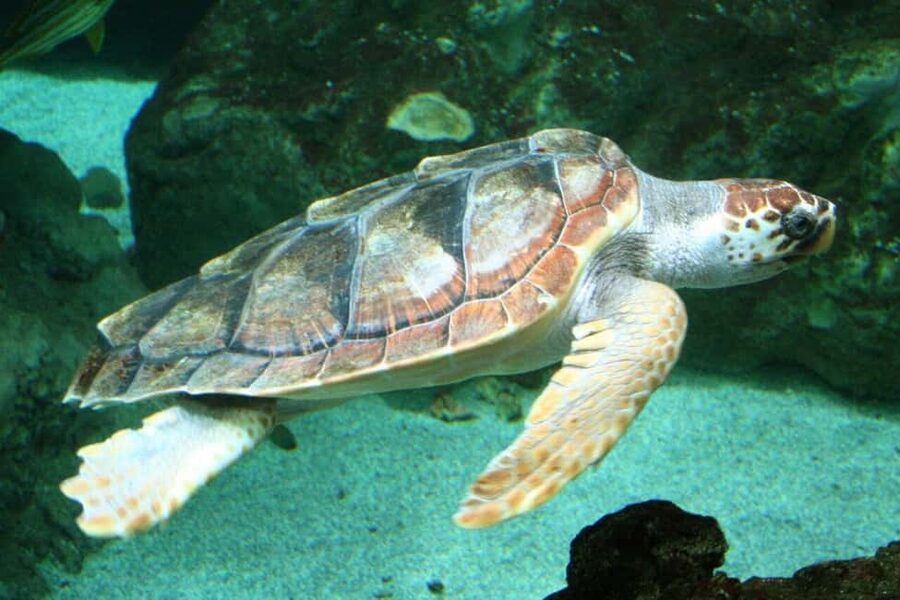
If you care about nature trips that feel real, this is one of the easiest “yes” decisions you can make on Sal. Sea turtles nesting on land is not a show. It is biology, weather, sand, and patience. And Sal has a big reputation for loggerhead turtles, often described as one of the top turtle nesting reserves on Earth.
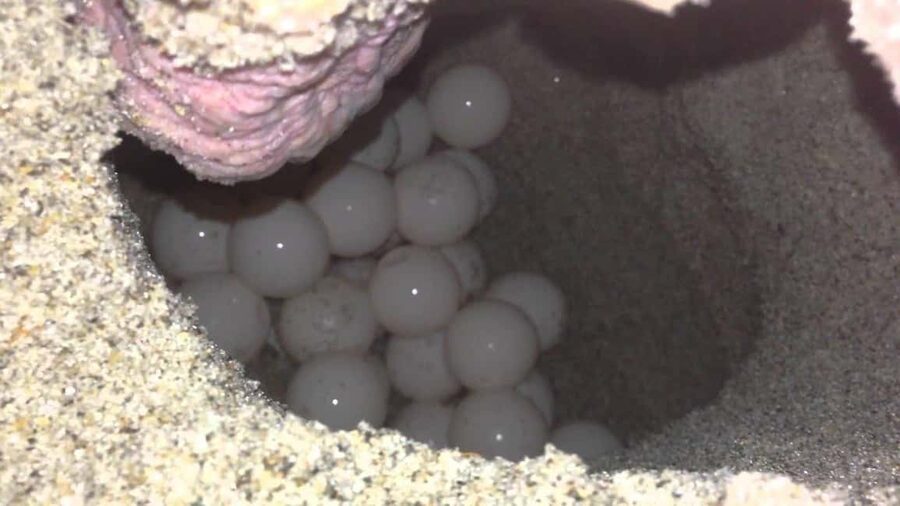
The heart of the experience is watching a female loggerhead (Caretta caretta) come out of the sea, choose a spot, dig, lay eggs, and cover the nest before returning to the ocean. That full sequence is what turns a nighttime walk into a memory you will still talk about months later.
For value, $46 per person is reasonable because you are not just buying a ticket to a beach. You are paying for:
- a guide who can explain what you are seeing (and how to behave)
- equipment designed to reduce disturbance (infrared or low light)
- transportation from Santa Maria
- a small-group setup and liability coverage
In other words, it is a guided, conservation-focused wildlife encounter rather than a self-guided beach stroll.
More Turtle Watching in Sal
- Santa Maria: Sal Island Sea Turtle Watching Experience
★ 4.5 · 256 reviews - Turtle Watching Adventure
★ 5.0 · 98 reviews - Sal: Turtle Nesting with professional local guide
★ 4.7 · 18 reviews
From Santa Maria pick-up to a protected nesting beach
Your tour starts with hotel pick-up and drop-off in Santa Maria. You then drive to a protected nesting area on Sal, with the beach choice depending on conditions. The tour commonly references Algodoeiro, Kite Beach, and Serra Negra.
This part matters more than it sounds. Turtle nesting is location and timing sensitive. You want to arrive at the right beach, under rules that keep everyone quiet and low-impact. The tour format is built around that, with a short drive and then a controlled approach once you reach the beach.
A practical note: expect it to feel organized, but plan your evening with some flexibility. The tour is listed as lasting around 2-3 hours. In the real world, wildlife timing controls the clock. Sometimes you will get a long, steady viewing window. Other times the main action can be quicker, and you will be happy you packed patience, not just snacks.
The guide briefing, plus why infrared matters more than you think
Before you head onto the sand, you will get a calm briefing from your local guide. Portuguese and English are guaranteed, and the tour also mentions additional languages when possible. This is not filler. It sets you up to understand what you are seeing and why the rules exist.
You learn the basic turtle life cycle and the specific conservation challenges tied to nesting loggerheads. Even if you already know a little, it helps you interpret behavior: why they return to the sea, why silence and distance matter, and why light control is non-negotiable.
Then comes the key technique: infrared lights for close-up viewing without disturbing the turtles. This is one of the best parts of the tour because it balances two goals that usually conflict on wildlife nights:
- You want to see details clearly enough to feel what is happening.
- The turtles need minimal disturbance to nest successfully.
Also, you will be walking to the beach using red or infrared lights. That means you are not wandering around in full darkness. It is more controlled and respectful than the typical late-night “everyone shines a flashlight” approach you might imagine.
On the sand at night: what you might see, and how to behave
Once you arrive, the real experience is the wait. You walk quietly, and then you stop. The guide’s whole job is to help you observe without interfering, including managing how the group moves and where people stand.
Here is what you can expect to observe, depending on the night and conditions:
1) A female turtle emerges from the sea
2) She crawls slowly up the beach to find a nesting spot
3) If conditions are right, she digs a nest
4) She lays eggs and then covers them with sand
5) Finally, she returns to the ocean
You may also see a rare false crawl, where the turtle starts the process but does not complete nesting. And in the right season, you might even spot tiny hatchlings heading for the sea, which the tour notes is mainly in September and October.
The rules on the beach are strict, and for good reason. They include:
- no flash photography and no flashlight use
- no drones
- no touching turtles or nests
- no loud noises or disruptive behavior
- no bright or reflective clothing
The “no bright colors” rule is easy to overlook. It is not just about etiquette. Bright or reflective fabric can bounce light onto animals and can confuse the low-light setup the guide is using.
This is also a trip where you will feel tempted to break a rule for one second. Resist that. Think of yourself as part of the conservation system. Your quiet posture and dark clothing are what make good viewing possible for you and safer nesting possible for the turtle.
More turtle nights on Santa Maria:
- Private Turtle Watching Experience
★ 5.0 · 12 reviews - Santa Maria, Sal: Ultimate Guided Turtle Nesting Experience
★ 4.8 · 9 reviews - Santa Maria: Sea Turtle Watching Experience on Sal Island
★ 4.0 · 9 reviews - Turtle Experience in Sal island
★ 4.0 · 5 reviews
Group tour vs private vs deluxe glamping: choosing the right vibe
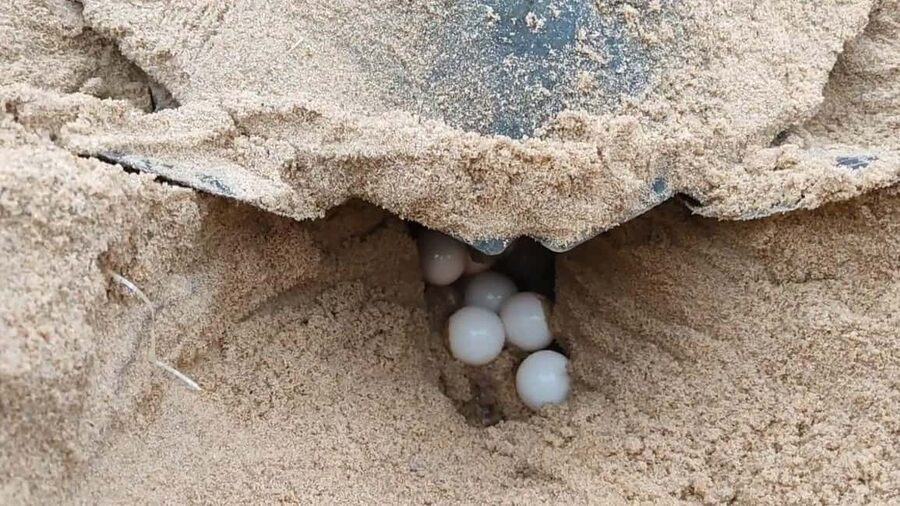
One reason this tour works for many travelers is that it has options, from simple to comfort-forward.
Group option
The group experience is built for that classic wildlife-night feeling: small group size, local guide briefing, and the same non-intrusive infrared approach.
If you are traveling solo or you want the core experience without paying extra for upgrades, this is usually the best fit.
Private option
A private option adds a private vehicle and guide just for your group. That can be helpful if you want flexibility and fewer people to manage during a slow, quiet waiting period. The tour notes soft drinks and snacks for private are available but mentions snacks as an extra cost, and also mentions a video souvenir as an extra cost.
If your group includes kids, or you are more sensitive to noise and timing, private can make the whole night feel smoother.
Deluxe glamping experience
Deluxe glamping is for travelers who want the wildlife moment but also want a more comfortable package. The tour mentions a glamping tent and a souvenir video in the deluxe approach.
You pay for comfort and extras. You still get the turtle core, but you are choosing a “weekend vibe” rather than only a walk on sand.
What to pack for a turtle night that stays respectful
This is a night tour. It is also a sandy beach. And it is a mosquito environment. So pack like it is going to be both cold-ish and buggy.
Bring:
- comfortable shoes for walking on sand
- comfortable, weather-appropriate clothing
- a light jacket or cardigan for night air
- biodegradable insect repellent (the tour says this directly)
Now, about repellent: the activity rules also list insect repellent as not allowed. That is confusing on paper. The safest move is to follow the exact on-the-ground guidance from your operator and guide. If the rules mean you should apply repellent before you arrive, do that before pick-up if possible. If they mean you should skip it entirely on the beach, plan to protect yourself with long sleeves and pants and whatever alternative the guide approves.
Dress for the turtle:
- wear dark-colored clothing
- avoid bright colors and anything reflective
- keep scents low, since the rules mention strong fragrances and scented products
And keep your camera expectations realistic. Flash photography is not allowed, and the rules also ban flashlight use. You can still take photos with low-light settings if you follow the guide’s instructions, but you should not plan on using direct flash.
Timing, turtle success rates, and the reality of wildlife nights
The tour highlights nearly 100% turtle sighting success over the past five nesting seasons. That is a big deal, and it is not luck you have to gamble on blindly.
Still, nesting is wildlife behavior, not a scheduled performance. Weather, tide, and turtle timing can change how long you will see the full sequence. The tour is designed for around 2-3 hours. If you arrive when a turtle’s process is already underway, you might see more quick action and then wrap up sooner than expected. If you arrive before a turtle starts, you might spend longer waiting quietly.
Either way, the best strategy is mental, not logistical. Go in ready to stand still, keep your voice low, and let the sand and darkness do the work.
One small thing that matters at this stage: you will likely feel cooler than you expected. Bring that light layer. It makes the waiting part easier, especially if you are traveling in shoulder season.
Price value check, plus who should book
For most people, $46 per person is a fair price for what you get:
- guided observation at protected beaches
- infrared and low-impact lighting approach
- conservation briefing
- Santa Maria pick-up and drop-off
- small-group format
Add to that the tour’s near 100% sighting success record, and it starts to look like one of the more “efficient” wildlife experiences on Sal.
This tour is a great match if you:
- want wildlife with conservation ethics, not just sightseeing
- like structured guidance, especially for animal encounters
- enjoy quiet evenings and patience over action-packed chaos
- travel with kids and want a nature learning moment (the tour says it is suitable for all ages)
It is not a good match if you:
- have mobility limitations, because the tour is stated as not suitable for people with mobility impairments and not for wheelchair users
- hate following strict rules, because the beach behavior requirements are part of the experience
Also, if you are thinking of a “photos for social media at any cost” night, read the rules again. Flash and bright clothing are off the table, and the point is to protect the turtles first.
Quick eco-respect checklist you can follow instantly
Here is the mindset that keeps the tour working for everyone:
- Keep your distance and stay quiet when the turtle is active
- Don’t shine extra light. Follow your guide’s lighting plan
- Wear dark, non-reflective clothing
- Avoid scented products and strong fragrances
- No touching animals or nests
- No litter, and take everything back with you
If you do those things, you will feel like part of the solution, not an extra distraction.
Should you book this turtle nesting night tour?
I think you should book it if you want a genuinely meaningful wildlife encounter on Sal, and you are willing to follow the rules that protect the animals. The combination of infrared viewing, small groups, local conservation education, and the strong recent sighting record makes this one of the more practical “must-do” nature experiences in the area.
Skip it, or at least reconsider, if you cannot handle quiet waiting in the dark, or if mobility challenges make beach walking difficult. Also, if you go in expecting a guaranteed full nesting sequence every time, you might feel frustrated. Nesting depends on turtle behavior, but the guide setup is designed to maximize your chances and keep the encounter respectful.
In short: if you want one night that feels like stepping into real animal life, this is a strong pick.
FAQ
Where does the tour start?
The tour includes hotel pick-up and drop-off in Santa Maria.
How long is the sea turtle nesting observation?
The experience lasts around 2-3 hours.
What sea turtles will I see?
The tour focuses on loggerhead sea turtles, Caretta caretta, and the nesting process.
Do they use special lighting for viewing?
Yes. The tour uses infrared lights (and red or infrared lights while walking) for non-intrusive observation.
What beaches might the tour visit?
The tour can use protected turtle nesting beaches such as Algodoeiro, Kite Beach, or Serra Negra, depending on conditions.
How many languages are offered?
Portuguese and English are guaranteed with the professional multilingual local guide, and the tour also lists other languages as possible, including French, Italian, Spanish, and English.
Is the tour suitable for children?
It is described as suitable for all ages, and child and infant seats are available on request.
What items or actions are not allowed during the activity?
The rules include no flash photography, no drones, no pets, no smoking, no alcohol or drugs, no bright or reflective clothing, no touching marine life or nests, and no littering (among other restrictions).
More Evening Experiences in Santa Maria
- Santa Maria: Guided Coastal Hike & Monte Leão Sunset
★ 4.5 · 37 reviews - Romantic Sunset & Glamping Experience
★ 5.0 · 34 reviews - Boa Vista Sunset Dinner with Live Music
★ 4.4 · 8 reviews - Sal: Romantic Sunset Escape with Wine and Roundtrip Transfer
★ 4.3 · 3 reviews
Just added around Santa Maria
- Santa Maria, Sal: Ultimate Guided Turtle Nesting Experience★ 4.8 · 9 reviews
- Lemon Shark Experience from Sal★ 4.5 · 37 reviews
- 4×4 Off Road Full-Day Private Tour – Sal Island Hidden Secrets★ 5.0 · 3 reviews
- Sal Island All-inclusive Adults-only Catamaran Cruise★ 5.0 · 3 reviews
- Sal: Small Group Island Tour & Lunch with a Local Family★ 4.4 · 3 reviews
- Santa Maria: Trolling Fishing Trip★ 2.8 · 3 reviews
- Sal Island Turtle Watch Tour in Natural Habitat★ 2.1 · 3 reviews
- Sal: Romantic Sunset Escape with Wine and Roundtrip Transfer★ 4.3 · 3 reviews
Turtle Watching, compared.
Shark, Turtles, Cave, Sandboarding & Tasting Tour
Read our review →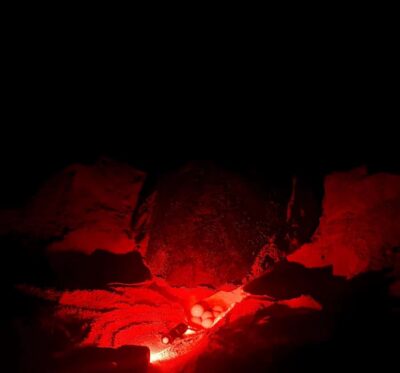

Turtle, Shark, Santa Monica, Sandboard & Tasting
Read our review →
Beautiful Beaches, Turtles & Djeu Island Snorkel
Read our review →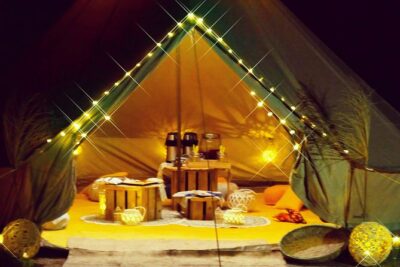
Browse the lists this tour appears in