
Reviewed · TURTLE WATCHING
Turtle Experience in Sal island
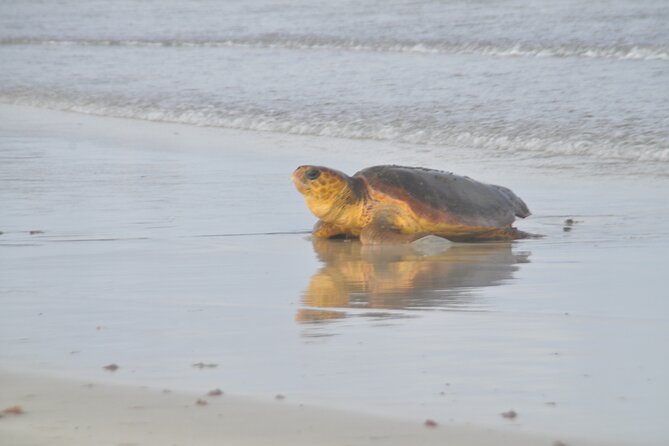
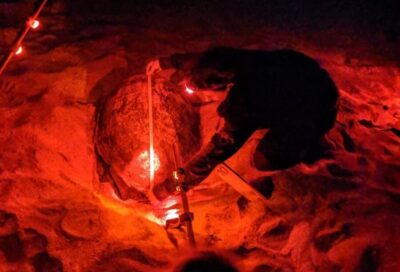
A sea turtle coming ashore to nest is one of those nature moments that feels both fragile and huge. On Sal, this is timed for the evening, when you can see the turtle select a spot, dig, lay eggs, and head back to the water.
I like that this tour is focused and hands-off. You spend most of the time watching the process, not rushing between stops. I also like the small group size (up to 16), because it keeps the experience calmer and makes it easier to hear the guide.
One thing to plan for is the waiting. This turtle can be cautious, and if she does not feel safe, she will not come ashore right away. That means patience is part of the deal, and your schedule needs a little breathing room.
Key points you’ll care about
- Hotel pickup starts at 8:00 PM in Santa Maria, then you head straight to the beach.
- A guide briefing before anything happens, including what you will see and how the nesting process works.
- You may wait while the turtle decides it is safe enough to come ashore.
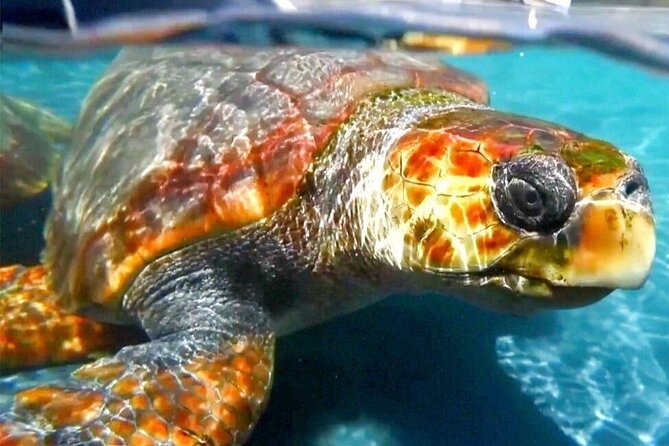
- The nesting sequence is the show, from digging to laying 65 to 100 eggs, then covering and camouflaging the nest.
- Up to 16 people keeps the beach scene more controlled and less hectic.
- 3 hours total is long enough to see the full cycle, but short enough to fit an evening.
Sea Turtle Nesting on Sal: why this is worth your night
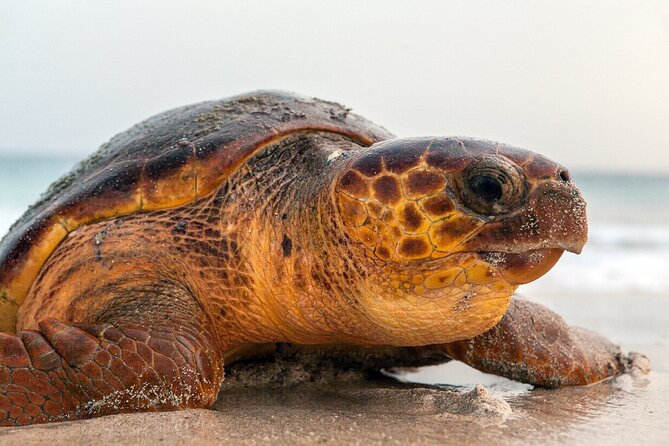
This Turtle Experience in Santa Maria is interesting because it is not a zoo-style viewing. It is a real nesting event, with a real animal making real choices based on comfort and safety. You are basically there for one job: watch the turtle do what turtles do, without pushing the pace.
The best part is that the guide helps you read what you are seeing. You start with an introduction about turtles and what the procedure looks like on the beach. Then the turtle’s behavior fills in the details, slow and steady. In plain terms, you learn how to spot the signs that she is searching, preparing, laying, and then camouflaging her nest.
There is also something quietly satisfying about knowing people are trying to protect nesting turtles. One of the strongest themes from the experience is the sense of conservation, not just sightseeing. Watching the turtle return to the sea after the nest is covered gives the whole event a full-circle feeling.
The main tradeoff is time. This is not a quick hit where you arrive and instantly get the “perfect moment.” If the turtle hesitates, you wait.
More Turtle Watching in Sal
- Santa Maria: Sal Island Sea Turtle Watching Experience
★ 4.5 · 256 reviews - Turtle Watching Adventure
★ 5.0 · 98 reviews - Sal: Turtle Nesting with professional local guide
★ 4.7 · 18 reviews
Getting picked up at 8:00 PM: timing, pace, and how to plan your evening
The tour starts at 8:00 PM with hotel pickup in Santa Maria. After pickup, your group heads toward the beach. Expect the evening to move as a unit, meaning you do not wander on your own, and the beach time is the center of the plan.
This matters for two reasons. First, your dinner and plans need to be flexible. Second, you want to stay mentally ready for waiting once you arrive. Since the turtle is cautious, the guide has to manage the group so the turtle feels secure.
How long will you be out? It is about 3 hours total. That is a good window because it gives enough time for the full nesting process, but it still lets you get back to your hotel at a reasonable hour.
Because pickup and return are included, you also avoid the logistics headache of figuring out how to get to the beach yourself at night. You get a calmer start, and you can put your attention on the turtle instead of transportation.
The beach briefing: what the guide sets you up to notice
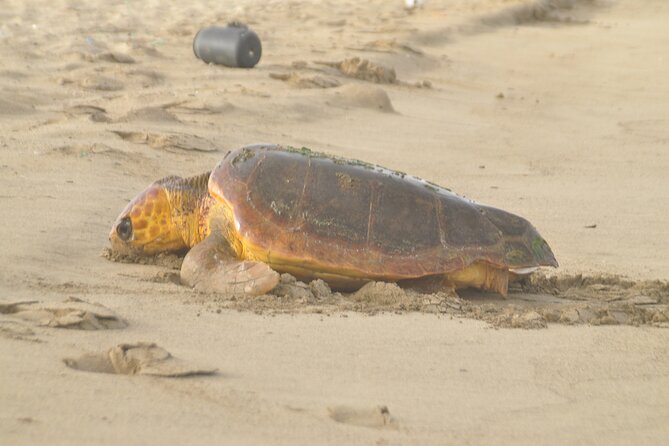
When your group arrives at the beach, the guide introduces the turtles and explains what you will see. This is more than just a lecture. It gives you a framework so the event makes sense in real time.
Here is what you can expect from the briefing and the moments that follow:
- The guide explains what the turtle is likely to do once she decides it is safe.
- You learn that the turtle will only come up if she feels secure.
- You get the basic sequence to watch for, from searching for a place to nesting and then returning to the sea.
Language support is not a mystery factor. The experience is described as having explanations in English and Spanish, which is a real advantage when you want to understand what matters without guessing.
The other big part is behavior. The guide’s job is to keep the group steady and quiet enough that the turtle does not feel threatened. If you have ever tried to watch wildlife and found yourself annoyed at people talking too loud, this is the opposite vibe. Your attention is meant to go to the turtle’s choices.
Waiting for the turtle: patience is not a slogan here
This is the part people underestimate. The turtle is cautious, and if she does not feel safe, she will not come ashore. That means you might see a period of waiting after arrival.
I would treat that waiting as part of the experience, not a delay. Once you know the turtle is deciding, the waiting becomes normal. You are basically watching for a switch in comfort level, not a fixed script.
If you hate standing around, this could be tough. If you enjoy slow, nature-focused observation, it can be one of the most rewarding hours of your trip. The key is your mindset.
Also, it helps to remember that you are not controlling the timeline. You are observing it.
More turtle nights on Santa Maria:
- Watch Sea Turtles Nesting – Night Tour in Sal Island
★ 4.1 · 14 reviews - Private Turtle Watching Experience
★ 5.0 · 12 reviews - Santa Maria, Sal: Ultimate Guided Turtle Nesting Experience
★ 4.8 · 9 reviews - Santa Maria: Sea Turtle Watching Experience on Sal Island
★ 4.0 · 9 reviews
Watching the full nesting process on the sand
When the turtle finally commits to the beach, the sequence is surprisingly clear once you know what to look for.
She comes up and searches for the right spot
You’ll see the turtle moving up the beach. This is not random panic. She is looking for the best place to lay eggs. In the same way you might keep checking the ground before making a decision, she evaluates sand conditions.
She prepares the ground, and will change her mind
Once she finds a suitable area, she starts preparing the ground and digging. And if the sand is not good for nesting, the turtle will look for another spot. That detail matters because it shows the event is truly about suitability, not just instinct.
Egg laying: 65 to 100 eggs
After the hole is ready, the turtle begins laying eggs. The number is given as between 65 and 100. For most people, this is the emotional peak of the tour because you can see the effort involved, then the careful completion of the task.
Covering and camouflage, then back to sea
When she finishes laying eggs, she closes the hole and camouflages the nest. After that, she goes back to the sea.
That last step is important. It keeps the experience from feeling like a one-sided spectacle. You are watching a full cycle that ends with the turtle returning to her natural life pattern.
Group size, comfort, and how “moderate physical fitness” fits real life
The tour caps at 16 travelers, which I really like for this type of wildlife situation. Smaller groups tend to move less wildly and create less pressure on the environment. It also makes the guide’s job easier, and it helps you hear instructions without strain.
You also have a “moderate physical fitness” note. For this tour, that usually translates into being able to stand and move around on a beach surface at night, in a group, for about 3 hours. You might not be doing intense hiking, but you should be comfortable with sand underfoot and the reality that you might wait.
Practical takeaway: wear footwear that feels stable on sand and dress for an evening on the beach, not for a daytime stroll.
Price and value: is $82.22 per person fair?
At $82.22 per person for roughly 3 hours with hotel pickup, you are paying for a guided night event with conservation-focused observation and a real nesting behavior unfolding naturally.
Here is what makes it feel like decent value:
- Pickup and return included reduces friction and cost versus figuring it out yourself.
- Small group size helps keep conditions calmer.
- A guide briefing adds meaning, so you do not just watch a turtle for 10 minutes and leave confused.
- You get the chance to see the full sequence, not just a brief sighting.
Where the value question gets real is timing. Because the turtle has to feel safe, there is a possibility of waiting. If your schedule is tight or you are planning a big evening dinner right after, you may feel the cost more sharply if the evening runs slowly.
My advice is simple: value this tour if you want a real, educational wildlife moment. If you want a predictable “arrive, see, leave” experience, you might feel frustrated by the turtle’s caution.
Choosing your operator: what to watch for before you commit
The experience is offered by Spot Travel Tours. The overall rating is 4.2 based on 5 reviews, so the picture is mostly positive, with at least one serious service complaint tied to timing.
One negative account described a pickup delay of about 45 minutes after contacting the operator and missing part of the experience as a result. The response shared also indicates the owner and guide were involved in handling dissatisfaction.
I am not saying you should expect delays. I am saying you should plan smart:
- Keep your evening after pickup flexible.
- If you are the type who needs exact timing for dinner or another activity, start loosening the schedule now.
- When you book, be ready for the tour to follow the turtle’s needs, not a strict clock.
That is a key mindset for nature nights anywhere.
Who should book this Turtle Experience on Sal, and who may not love it
You should book if you:
- Want a real wildlife nesting event rather than a staged show.
- Like learning what you are seeing while you are watching it happen.
- Can handle a slow pace and are comfortable with waiting.
You might skip if you:
- Get impatient with wildlife-based timing.
- Have an extremely tight schedule that cannot bend for a cautious turtle.
It is also a good option for first-timers who want to understand the process. Seeing the turtle lay eggs and then camouflage the nest is the kind of experience that sticks, especially when a guide explains the steps clearly.
Tips to get the most from the night
No two turtle events are identical, but you can do a lot to make the evening smoother.
- Go with a watching mindset. The waiting is part of it.
- Pay attention during the guide introduction. It helps you interpret the turtle’s behavior once she starts.
- Stay calm and follow instructions once you arrive at the sand. A quiet group helps a turtle feel safe.
- Dress for the beach at night. Stable shoes matter, and you want to be comfortable enough to stand and wait.
If you do these things, you will feel less like you are waiting for your “turn” and more like you are witnessing something real.
Should you book Turtle Experience in Santa Maria, Sal Island?
If your goal is an authentic conservation-minded night with a real sea turtle nesting sequence, this is a strong pick. I especially like how the experience is built around the turtle’s natural process, from spot selection and digging to 65 to 100 eggs, then the camouflaging and return to sea. The small group size and the bilingual guide-style explanations in English and Spanish also help.
Book it if you can handle slow pacing and you are genuinely interested in wildlife behavior. Skip it if you need strict timing and instant results.
If you do book, treat the evening like a nature appointment, not a timed attraction. Give yourself a buffer around the 8:00 PM pickup, listen to the guide, and let the turtle set the rhythm.
FAQ
What time does the Turtle Experience start?
It starts at 8:00 PM with hotel pickup in Santa Maria.
How long is the tour?
The experience lasts about 3 hours.
Do I get hotel pickup and return?
Yes. Pickup is offered, and the tour returns you to your hotel after the beach viewing.
What will I see during the tour?
You will see a guide introduce the turtles, then watch the turtle come up to the beach, search for a safe spot, dig, lay between 65 and 100 eggs, cover and camouflage the nest, and return to the sea.
How big is the group?
The maximum group size is 16 travelers.
What kind of fitness level do I need?
The tour notes a moderate physical fitness level, which is best for people who can comfortably stand and move around on the beach area for the duration.
Is there free cancellation?
Yes, free cancellation is available. You can cancel up to 24 hours in advance for a full refund.
Just added around Santa Maria
- Santa Maria, Sal: Ultimate Guided Turtle Nesting Experience★ 4.8 · 9 reviews
- Lemon Shark Experience from Sal★ 4.5 · 37 reviews
- 4×4 Off Road Full-Day Private Tour – Sal Island Hidden Secrets★ 5.0 · 3 reviews
- Sal Island All-inclusive Adults-only Catamaran Cruise★ 5.0 · 3 reviews
- Sal: Small Group Island Tour & Lunch with a Local Family★ 4.4 · 3 reviews
- Santa Maria: Trolling Fishing Trip★ 2.8 · 3 reviews
- Explore Sal Island: Full-Day Adventure to All Must-See Spots★ 2.6 · 3 reviews
- Sal Island Turtle Watch Tour in Natural Habitat★ 2.1 · 3 reviews
Turtle Watching, compared.
Shark, Turtles, Cave, Sandboarding & Tasting Tour
Read our review →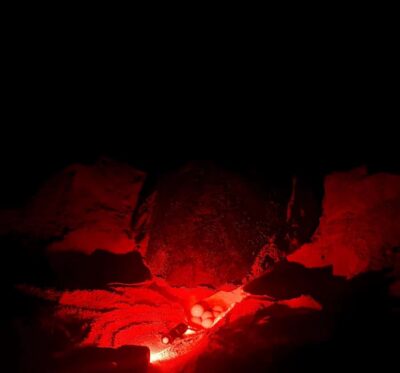

Turtle, Shark, Santa Monica, Sandboard & Tasting
Read our review →

Beautiful Beaches, Turtles & Djeu Island Snorkel
Read our review →
Browse the lists this tour appears in