
Reviewed · TURTLE WATCHING
Santa Maria: Sal Island Sea Turtle Watching Experience
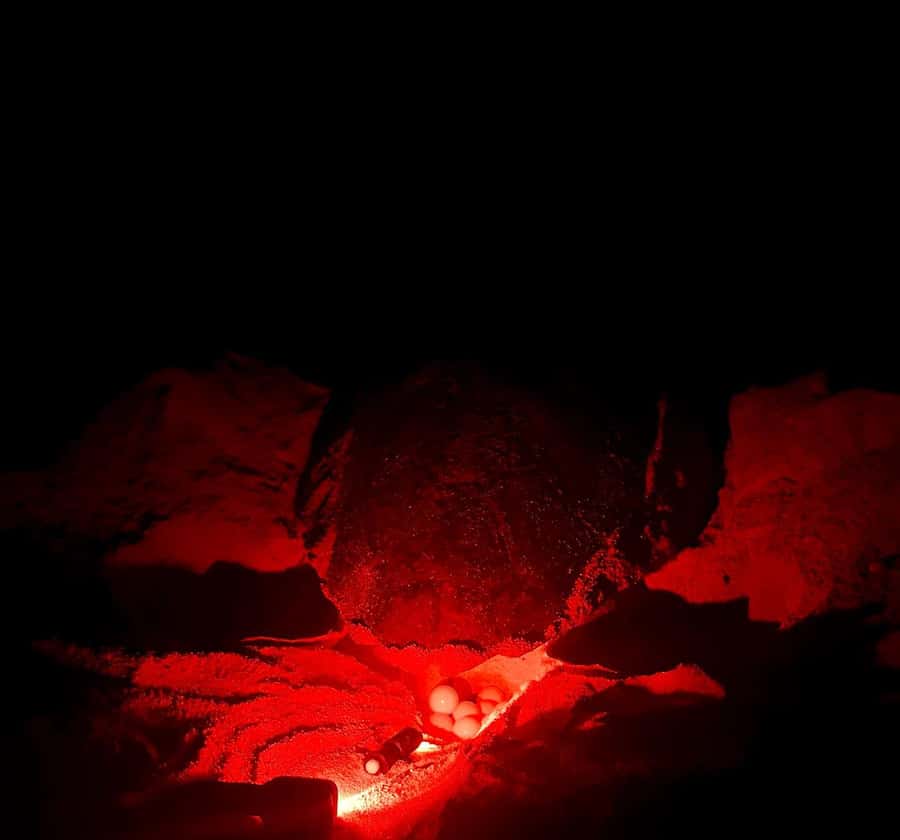
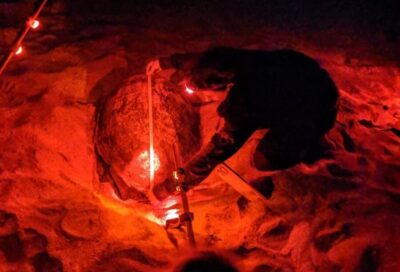
Nighttime sea turtle nesting on Sal is interesting because you see wildlife doing one of its most ancient jobs on a dark shoreline, with the guides focused on making sure the turtles can keep going undisturbed. This tour centers on Cape Verde’s common (yellow) turtle and the nesting cycle from arrival on shore to eggs covered and back to the ocean.
I especially like two things. First, you’re not left with guesswork, the expert guides explain what you’re seeing and why it matters, and you may even hear familiar guide names from past groups such as Johnny Cash or Anastassi salsa. Second, the small group size (max 10) helps keep the beach calm, which is important when a turtle is mid-mission.
One possible drawback: you need patience. Even when the tour is perfectly run, you might spend a while waiting to catch nesting or hatching activity, and some people can feel there are a lot of fellow spotters if the timing lines up with other groups. If you’re the kind of person who hates silence and waiting, this may test you.
Key Things I’d Put on Your Must-Do List
- Small group limit (10 max) keeps the beach experience more controlled and respectful.
- Live guide in multiple languages (Portuguese, English, French, Italian) means you get the story, not just a location.
- Walks on the sand at night give you a close, educational look at nesting behavior.
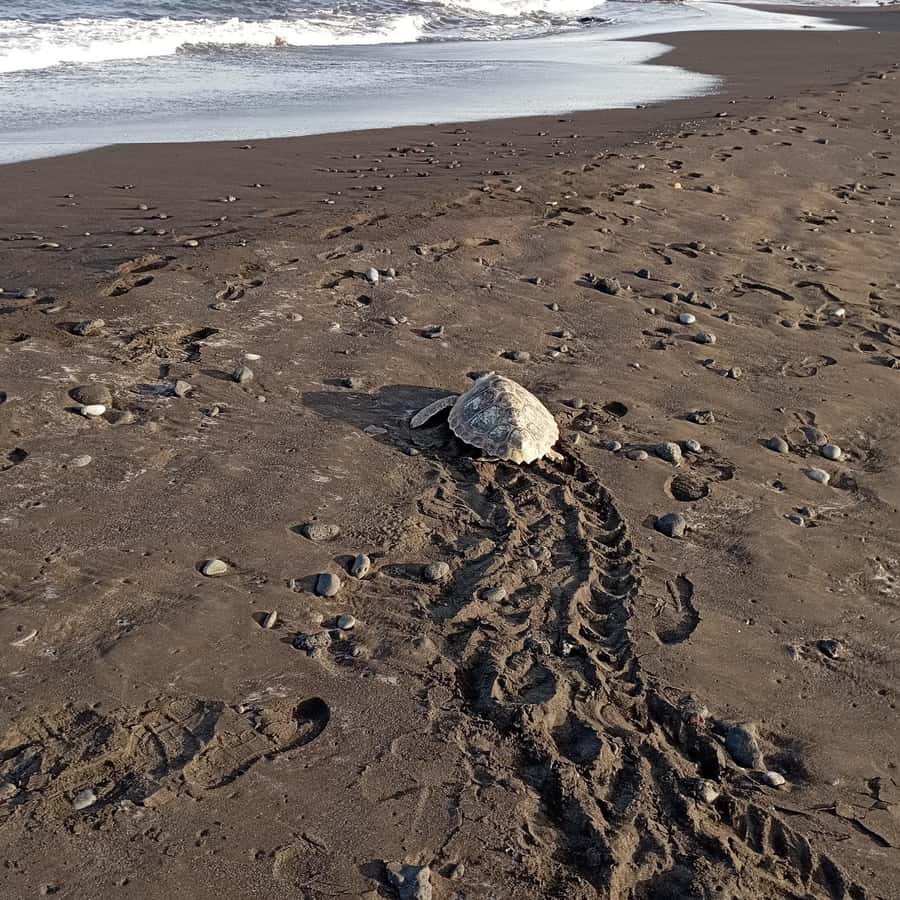
- A full cycle focus on egg laying, covering, and return to the sea makes this more than a quick sighting.
- Conservation-first rules (like no flash and careful spacing) protect the turtles and your viewing chances.
- You learn why the turtles’ welfare is the priority, not just facts for facts’ sake.
Why Night Turtle Nesting on Sal Feels So Immediate
This is one of those activities where time slows down fast. You’re out at night, on a beach that feels remote, and the whole point is to watch a wildlife event without turning it into a spectacle. The guides keep the tone educational and quiet, and that matters because turtles are guided by instinct, not by whether humans are excited.
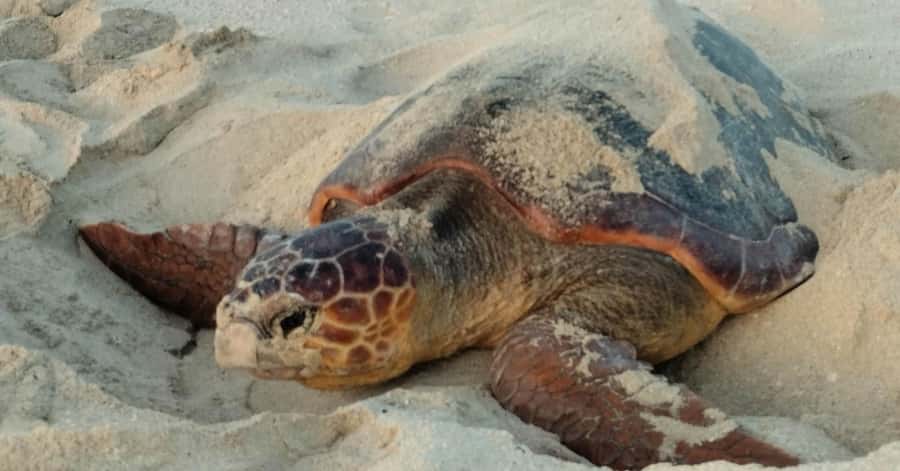
Sal is in the right place for this. Cape Verde has three turtle species, and the yellow or common turtle is the most frequently seen there. The sandy beaches on the islands are among the key nesting areas, and that is exactly why this tour exists: it brings you to nesting sites when turtles come up onto shore.
The best part is that you’re not only chasing a photo. You’re understanding a sequence. When you know what to look for, the nesting process becomes easier to follow, and your whole night turns into a guided lesson that happens right in front of you.
More Turtle Watching in Sal
- Turtle Watching Adventure
★ 5.0 · 98 reviews - Sal: Turtle Nesting with professional local guide
★ 4.7 · 18 reviews - Watch Sea Turtles Nesting – Night Tour in Sal Island
★ 4.1 · 14 reviews
Pickup at 8 PM, the Drive, and Your First Beach Briefing
Your evening starts with a hotel pickup. Depending on where you stay, you’ll be collected from reception options across Santa Maria, including major hotels along the coast. You’ll typically be picked up around 8 PM, and the outing usually falls within a longer window where activities start around 7 PM and often end around 11 PM.
Expect a drive to reach a quieter, more secluded beach area in less than an hour. That travel time is useful because it gives the guides a chance to get your group organized before you’re walking in the sand and darkness.
Once you arrive, you’ll have an initial guided session of about 45 minutes. This is where the tour sets expectations. You get context on turtle behavior, what nesting looks like from beginning to end, and how the guides manage the crowd so the turtles can do their thing. If you’re hoping for action immediately, it can feel slow at first, but this prep is one of the reasons the experience stays meaningful even when you have to wait.
Practical tip: wear comfortable shoes. You’re walking on sand at night, and that can be slippery and uneven. Even if you’re not planning to hike, you will still want solid footing.
Kite Beach at Night: The Walk, the Wait, and the Moment It Happens
After the first stop, the tour moves to Kite Beach for the longer guided portion, about two hours focused on nighttime viewing. This is the heart of the experience.
What you’ll do here is simple in theory: you walk along the beach at night, and you look for turtles making their way up onto the sand. In small groups, you’ll follow your guide and keep your distance. If you’re lucky, you’ll spot nesting activity and have a front-row seat to the behavior that many people only ever see in videos.
Here’s the reality check that helps you enjoy it: waiting is part of it. Turtle nesting is not a theme park show with a fixed start time. There can be a stretch of quiet where guides search the shoreline for signs of activity. On some nights, you might see turtle activity sooner. On other nights, you might wait longer, and you may even relocate if nesting activity is happening elsewhere.
In the best-run moments, guides use strict wildlife etiquette. You’ll be asked to stay as silent as possible once a turtle is present, and the group spacing keeps you from crowding the animal’s path.
Also, keep your expectations realistic about cameras. Flash photography is not allowed, and the tour environment prioritizes keeping light levels low so you don’t distract a turtle.
The Turtle Story You’ll Actually Learn, Egg by Egg
This tour is built around the nesting process, not just the headline moment of seeing a turtle on the beach. Your guide will explain evolution and turtle behavior, then connect those facts to what you’re watching at that exact time.
Here’s what the experience is designed to cover:
- How turtles come ashore to nest
- What their behavior looks like when laying eggs
- How the eggs are handled and covered
- When the turtle returns to the sea
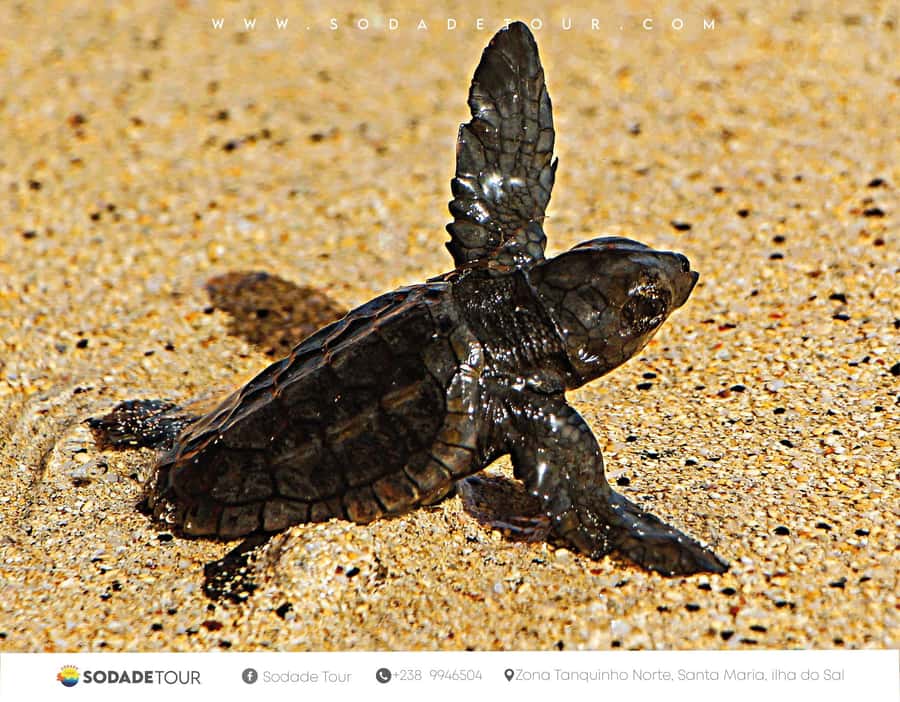
The most praised part of the night is seeing the whole cycle as it plays out. Many people talk about witnessing the turtle lay eggs, hide them, and then head back to the ocean. When luck is with you, you may also get to see baby turtles heading to the sea, which turns the night from a lesson into something genuinely unforgettable.
Guides are also big on welfare. The tour emphasizes that the animals come first. That means you don’t get to touch turtles, you don’t rush closer, and you don’t try to change what the turtle is doing. It’s a conservation-first approach, and it’s the difference between an educational watch and a stressful disruption for the wildlife.
One more detail that helps the night feel controlled: you may notice that guides manage lighting and movement carefully, using low-distraction illumination. The goal is to keep the turtles focused on nesting, not on responding to humans.
More turtle nights on Santa Maria:
- Private Turtle Watching Experience
★ 5.0 · 12 reviews - Santa Maria, Sal: Ultimate Guided Turtle Nesting Experience
★ 4.8 · 9 reviews - Santa Maria: Sea Turtle Watching Experience on Sal Island
★ 4.0 · 9 reviews - Turtle Experience in Sal island
★ 4.0 · 5 reviews
Staying Respectful: Rules That Protect the Turtles and Your Chance to See Them
If you want to get value from this tour, treat the rules like part of the plan, not just restrictions.
The big wildlife etiquette points are:
- Don’t touch animals. You’re here to observe.
- No flash photography. Bright light can disturb nesting behavior.
- No littering. Bring a garbage bag and keep the beach clean.
- No smoking in the vehicle or indoors.
You’ll also be asked to pack the right things for a night on a beach:
- Biodegradable sunscreen (sun protection still matters, and you don’t want harsh chemicals)
- Biodegradable insect repellent
- Comfortable clothes and shoes
- Camera, if you want photos without flash
- A garbage bag
This matters because Cape Verde’s sea turtle nesting depends on beaches staying calm and dark. If lots of visitors break etiquette, the turtles can change behavior or avoid the area. So yes, rules feel strict, but they’re also the reason this tour works.
What the Price Covers, and Why It’s Good Value at $37
At $37 per person for a 3-hour experience, plus the essential logistics, this is usually good value if your goal is a guided nesting watch rather than a self-directed beach search.
What’s included:
- Professional local guide
- Transfer from your hotel
- Taxes, fuel, and service charges
What’s not included:
- Food and drinks
That structure makes sense for a night tour. You pay for the guide expertise and getting you to the right shoreline, then you handle your own snacks or water.
What I’d do if you book: plan to eat beforehand or bring simple personal items like water if you know you tend to get hungry on long waits. Just don’t expect meals to be part of the price.
Also note what you’re paying for beyond the price tag. Turtle nesting is time-sensitive and unpredictable. Your guides are doing the hard part, scanning the beach, managing crowd control, and keeping the viewing respectful. In that context, $37 feels like a bargain if you compare it to the cost of private wildlife watching.
Timing Realities: Why Patience and Quiet Matter More Than Speed
You might picture this as a quick walk, then a turtle show, then back to the van. The truth is more human and more likely to make you appreciate the experience.
The guides may spend time locating active turtles. If you arrive before nesting starts at your area, you’ll wait. On some nights, you’ll see hatching activity first, then egg laying later, depending on what’s happening across the beach zones. That sequence flexibility is part of why the tour feels like a real nature event, not a rehearsed performance.
Your best move is mental: slow down. Put your phone away once a turtle is near, keep your body still, and let the guide lead. Quiet is not just politeness here, it affects the animal’s comfort and your own chance to keep watching.
If you feel impatient, remind yourself that the payoff is the full process. When you stay calm, you can actually track the steps, from nesting behavior to eggs being covered and return to the sea.
Who This Works For, and Who Should Skip It
This tour is a strong match if you:
- Care about ecological experiences and wildlife conservation
- Want a guided explanation, not just a chance to spot something
- Don’t mind a late-evening start and a few quiet stretches waiting
- Prefer a smaller group experience (max 10)
You might not enjoy it as much if you:
- Need a wheelchair-friendly route. The activity is not suitable for wheelchair users.
- Have visual impairment needs that require different guidance. It’s also listed as not suitable for visually impaired people.
This is a night walk on sand, and it requires comfort with darkness, moving carefully, and following instructions closely.
Small-Group Energy and Multilingual Guides (Even When Groups Mix)
One detail I like about this setup is how multilingual it is. The live guide can work in Portuguese, English, French, or Italian, which keeps the explanations usable and not just vague.
Because groups can include different languages, your guide may split the group for better communication. That’s useful when the guide is describing specific behaviors, like what signals egg laying versus returning to the sea. If you understand the explanation in your language, you’ll also notice more in the dark.
The most praised aspect across many experiences is how caring and engaging the guides are. You can also pick up that they manage group behavior carefully to protect the turtles. That’s the job here, and it shows.
Should You Book This Santa Maria Sea Turtle Watching Tour?
I think you should book if you want a conservation-focused night experience that puts you close to the nesting process with real guidance and clear rules. The price includes transfers and a professional local guide, and the small group size makes it easier to keep your distance and stay quiet when a turtle is present.
Book with your eyes open about two things: patience and unpredictability. You might wait for nesting activity, and the turtle schedule is not guaranteed. But if you’re willing to be calm and observant, this is exactly the kind of tour that can change how you see wildlife, because you’re watching a full cycle, not a quick glance.
If you’re sensitive to crowds or hate waiting, this could feel like a lot. If you love nature and want to do it the right way, it’s one of Sal’s most meaningful evening activities.
FAQ
What is the duration of the Santa Maria sea turtle watching experience?
The tour duration is 3 hours.
What time does the tour start and when does it usually end?
Pickup is typically at 8 PM, and the activity usually starts at 7 PM and ends around 11 PM.
How much does it cost?
The price is $37 per person.
What languages are available for the live guide?
The guide is available in Portuguese, English, French, and Italian.
What’s included in the price?
It includes a professional local guide, transfer from your hotel, and taxes, fuel, and service charges.
What should I bring for the tour?
Bring comfortable shoes, a camera, biodegradable sunscreen, comfortable clothes, biodegradable insect repellent, and a garbage bag.
What’s not allowed during the experience?
Flash photography is not allowed, you can’t smoke in the vehicle or indoors, and touching animals is not allowed. Littering, alcohol and drugs, and explosive substances are also not allowed.
Just added around Santa Maria
- Santa Maria, Sal: Ultimate Guided Turtle Nesting Experience★ 4.8 · 9 reviews
- Lemon Shark Experience from Sal★ 4.5 · 37 reviews
- 4×4 Off Road Full-Day Private Tour – Sal Island Hidden Secrets★ 5.0 · 3 reviews
- Sal Island All-inclusive Adults-only Catamaran Cruise★ 5.0 · 3 reviews
- Sal: Small Group Island Tour & Lunch with a Local Family★ 4.4 · 3 reviews
- Santa Maria: Trolling Fishing Trip★ 2.8 · 3 reviews
- Explore Sal Island: Full-Day Adventure to All Must-See Spots★ 2.6 · 3 reviews
- Sal Island Turtle Watch Tour in Natural Habitat★ 2.1 · 3 reviews
Turtle Watching, compared.
Shark, Turtles, Cave, Sandboarding & Tasting Tour
Read our review →
Turtle, Shark, Santa Monica, Sandboard & Tasting
Read our review →

Beautiful Beaches, Turtles & Djeu Island Snorkel
Read our review →

Browse the lists this tour appears in