
Reviewed · TURTLE WATCHING
Turtle watching in Boa Vista Island
Turtle watching in Boa Vista, Cape Verde is interesting because this is one of those rare wildlife moments you can actually see up close, step by step. You are not just looking for animals in the dark, you are watching turtle nesting as it happens on the beach. I also like that the experience is built around quiet watching, not crowd noise or flash photography energy.
A second thing I love is the way the guides connect the night to real conservation work. You get an explanation that includes what happened when yellow fever struck the island, and why conservation staff monitor the eggs and timing for release back to the sea. That context turns a cool nature event into something that feels meaningful.
One drawback to plan for: you cannot force the turtle to perform on schedule. The turtle needs to feel safe, so you may spend time waiting, and the best part only happens if the turtle chooses your beach stretch that night.
Key things to know before you go turtle watching on Boa Vista
- Best season is clear and specific: July through the end of September is turtle nesting time on Boa Vista.
- The turtle sets the pace: you wait for the nesting to start, because the turtle will avoid the beach if it does not feel safe.
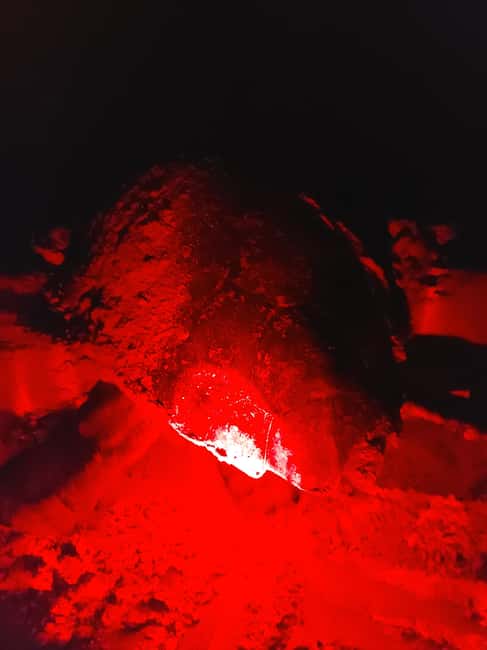
- What you see is very real: the process can include crawling the shoreline, digging, laying 65 to 100 eggs, and then covering them up.
- You will learn the why: expect a conservation explanation tied to island history and egg monitoring.
- Night timing matters: pickup is at 7:00 p.m., then you head out to reach the beach at the right hour.
- Bring night gear: comfortable shoes, a jacket, and biodegradable insect repellent are part of the deal.
Turtle season on Boa Vista and what makes this night feel different
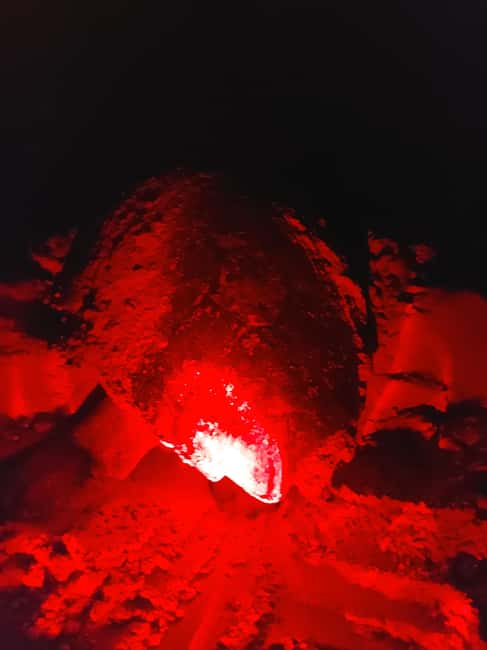
If you are chasing a once-in-a-lifetime wildlife encounter, Boa Vista turtle watching has a strong advantage. The highlight is not a distant sighting. It is the nesting process, which is both gentle and intensely focused on survival.
Turtle season runs from July through the end of September. During this window, you have the best chance of seeing turtles come ashore to lay eggs. The night tour structure also makes sense. Turtles naturally behave differently at night, and the guides are working with animal behavior, not against it.
I also like that the whole experience is framed as an event to cherish. You are there for the turtle’s oldest job, laying and burying eggs, which is exactly why the night feels special. When it works, it is the kind of moment you remember for years, not just for photos.
More Turtle Watching in Boa Vista
- Boa Vista: Shark, Turtles, Cave, Sandboarding & Tasting Tour
★ 4.8 · 328 reviews - Boavista: Turtle, Shark, Santa Monica, Sandboard & Tasting
★ 4.7 · 228 reviews - Boa Vista: Beautiful Beaches, Turtles & Djeu Island Snorkel
★ 4.6 · 100 reviews
Pickup at 7:00 p.m., the drive, and why you should expect some waiting
You start with hotel pickup at 7:00 p.m. A group heads toward the beach by 4×4 vehicle, then you arrive and meet your guide for an introduction.
Here is the practical reality: the beach wait is part of the experience. The turtle can be nervous. If it does not feel safe, it will not come up, or it may pause and reassess the area. That is why your job is mostly patience and staying quiet.
You should plan your evening around the idea that timelines can flex. Even when everything goes well, waiting happens because you are observing an animal doing its own thing. If your travel style is strict, no surprises, you might find this part tough.
The 4×4 ride to the beach and the quiet approach
The ride is part of the charm, but also part of the logistics. This is a 4×4 transfer to reach the beach at night. One traveler noted that the track can be bumpy once you are off the main roads, so keep that in mind if you feel uncomfortable in rougher drives.
When you get close, you do not just barrel straight to the sand. The guide directs where to walk so you can approach quietly. That quiet approach matters because the turtle is choosing the safest place to nest. The more you treat it like a wildlife moment and less like a night party, the better your odds of seeing the full sequence.
If you want to maximize your experience, arrive dressed for comfort. You will likely walk a bit from the vehicle to the nesting area, and it is easier when your shoes feel reliable.
On the sand: watching the nesting process unfold
This is the main event, and it is surprisingly structured, even though the turtle is the one in control.
Once the guide explains what you are likely to see, you wait until the turtle appears and begins moving up the beach. You might watch it crawl and look for the best spot to nest. Then comes the digging, which can include a decision to switch locations.
Here is what the tour description prepares you for:
- The turtle moves up the beach searching for a suitable place.
- The guide helps you understand what to look for and how the nesting procedure works.
- The turtle digs and tests the ground. If the surface is not right, it may look for another spot to dig.
- When the hole is ready, the turtle lays between 65 and 100 eggs.
- After laying, it closes the hole and does camouflage, covering the eggs with sand.
- Then it heads back toward the sea, and the waiting portion finally shifts into the return to the hotel.
What makes this worth your money is that you are seeing behavior, not just a glimpse. The turtle’s choices, the ground test, and the covering are all part of a natural routine. It is also one of the clearest ways to understand why conservationists take nesting so seriously.
More turtle nights on Boa Vista:
- Guided turtle tour in a group in Boa Vista
★ 5.0 · 67 reviews - From Boa Vista: Turtle Watching and Nesting Evening Tour
★ 4.8 · 49 reviews - 4×4 Tour – Sandboard, Shark & Green Turtle’s Bay, Snacks & Drinks
★ 5.0 · 44 reviews - Boa Vista: 3h Turtle Watching Expedition
★ 4.7 · 39 reviews
The conservation story: yellow fever, egg monitoring, and release timing
One of the most praised parts of this tour is the explanation you get along the way. You are not only learning what the turtle does. You learn why humans protect it.
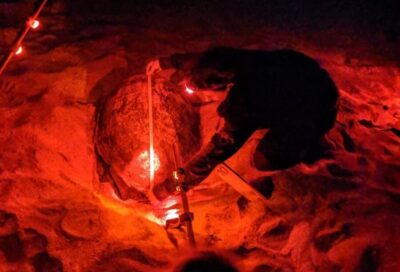
The guide provides depth about how yellow fever affected the island, and how that history connects to conservation efforts today. The key idea is simple: nesting is vulnerable. Once eggs are laid, they need monitoring until they are due for release back to the sea.
That adds meaning to the night viewing. You go from seeing a cool wildlife moment to understanding a real threat chain and why checks happen. It also helps you appreciate that the turtle is not just a spectacle. It is a species with a full life cycle that humans can support by protecting nesting conditions.
This is also where the experience becomes more than entertainment. You leave with a reason to care, not just a photo of a turtle.
What to bring for a comfortable night (and fewer problems)
Boa Vista turtle watching happens at night, on sand, in warm but occasionally breezy conditions. You should pack for comfort and small annoyances.
Bring:
- Comfortable shoes you can walk in on sand or uneven ground
- A jacket for nighttime air
- Biodegradable insect repellent
One more practical note: the tour is not suitable for people with insect allergies. Even if you are usually fine, plan your risk carefully. If you tend to react, this is the wrong night to gamble.
Also consider how you handle your own body. People with back problems may struggle if there is standing and walking on uneven beach terrain. And the tour is not designed for wheelchair users.
Included value: what $82 buys on this night tour
At $82 per person, you are paying for a specific, high-effort kind of outing. The value is not just the guide talk. You are paying for:
- Hotel pickup
- A 4×4 vehicle transfer to the beach at night
- Guide-led interpretation on site
- The chance to witness nesting behavior during a seasonal window
- A seat for baby (if you need it)
The best value is when you see the turtle nest from the moment it crawls up to the moment it covers the eggs. If you are lucky enough to catch the full process, you get a very rare nature experience for a straightforward single-price fee.
One reason I like the pricing structure is that it feels realistic for what it takes to stage a safe, quiet night observation with a vehicle transfer. This is not a casual daytime stroll. It is a careful, behavior-based wildlife encounter.
Languages and small practical perks
The tour supports multiple languages: English, Italian, Portuguese, Spanish, French. That means you should be able to understand the nesting explanations without guessing.
There is also a strong focus on a guided experience. You get an introduction before the turtle is active, so you know what to look for. That helps you spend your attention on watching instead of trying to decode turtle behavior in the dark.
Who this experience is best for, and who should skip it
This is a wildlife tour, but it is also a physical nighttime activity. Make sure it fits your body and your preferences.
Best for:
- People who like nature and can handle quiet waiting
- Anyone interested in animal behavior and conservation explanations
- Couples and friends who want a shared, calm night experience
Not suitable for:
- Children under 2 years
- Wheelchair users
- People with back problems
- People with insect allergies
If you are the type who gets frustrated by delays, this might not suit you. If you are comfortable being flexible and keeping your energy calm, it is a great match.
Should you book turtle watching on Boa Vista?
Book it if you want a genuine chance to see turtle nesting in the most direct way possible. The seasonal timing (July through end of September), the night process you watch, and the conservation context tied to yellow fever and egg monitoring are the reasons this tour earns its high rating.
Skip it if you cannot handle waiting, if rougher nighttime walking and standing would bother your body, or if insect allergy risk is a real concern for you. Also think twice if you need strict schedules and zero uncertainty.
If you fit the basics, this is the kind of Cape Verde night you will be glad you made space for. You will come away with a memory that feels quiet, real, and deeply connected to nature’s own timeline.
FAQ
When is the best time for turtle watching on Boa Vista?
The turtle season for nesting is from July through the end of September.
What time does the tour pickup happen?
Hotel pickup is at 7:00 p.m.
What will I do once we reach the beach?
You will get an introduction from the guide and then wait quietly. The turtle only comes onto the beach if it feels safe.
How many eggs can the turtle lay during nesting?
The tour information says the turtle lays between 65 and 100 eggs.
What should I bring to the tour?
Bring comfortable shoes, a jacket, and biodegradable insect repellent.
Is the tour suitable for young children?
No, it is not suitable for children under 2 years old.
Is the tour wheelchair accessible?
No, it is not suitable for wheelchair users.
What is included in the price?
The tour includes a 4×4 vehicle and a seat for baby.
What languages are available?
The tour is available in English, Italian, Portuguese, Spanish, and French.
Just added around Boa Vista
- Boa Vista Island: Quad Adventure + Cabo Santa Maria Beach 2h★ 3.5 · 5 reviews
- Boa Vista Island 2 Hours Buggy Excursion from Rabil★ 5.0 · 5 reviews
- From Boa Vista: Turtle Watching and Nesting Evening Tour★ 4.8 · 49 reviews
- Whale watching tour SEASONAL★ 4.1 · 3 reviews
- Island tour & cattle & Taste local flavors★ 5.0 · 3 reviews
- Shipwreck, Viana Desert & Rabil Pottery★ 5.0 · 3 reviews
- Boa Vista: Snorkeling at Gatas Bay & North East Tour★ 4.3 · 3 reviews
- Boavista: City Tour with a Splash at Estoril Beach★ 4.2 · 3 reviews
Turtle Watching, compared.
Shark, Turtles, Cave, Sandboarding & Tasting Tour
Read our review →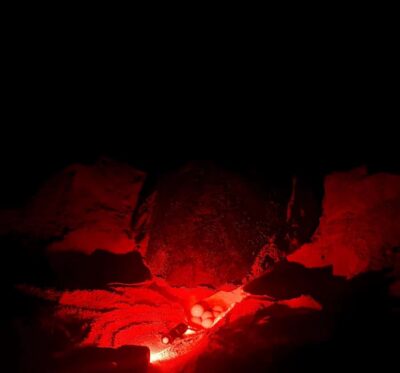

Turtle, Shark, Santa Monica, Sandboard & Tasting
Read our review →

Beautiful Beaches, Turtles & Djeu Island Snorkel
Read our review →
Browse the lists this tour appears in