Reviewed · GUIDED
Maio Island: Full-day Guided Tour with Breakfast
Maio Island feels like Cape Verde at a slower pace, and this guided full day packs a lot into six hours without feeling like a race. I love the way you connect everyday island life to the big themes here, salt production in the morning and a real beach swim at the end. One drawback to plan for, the schedule is busy, so you will want to be ready for walking and time on the road, and bring money for lunch since it is not included.
The heart of the day is people. In particular, I was struck by the energy of sr João da J&Tour in the way he shares stories and makes you feel like you belong, not like you are just passing through. It is also a small group, limited to 8, which helps when you are traveling solo and want a calm, safe vibe.
Key things I’d circle before you go
- Family breakfast in Morro village with Cape Verdean cuscuz, served in a real home setting
- Salt country context at the Eco Museum, tied to colonization and salt exports
- Salinas wetland of Porto Inglês where you may spot locals working on salt
- Morrinho dunes where you walk on white sand carried by wind from the Sahara
- Ribeira João goats cheese production to see how a local staple is made
- São José Fortress plus Our Lady of Grace Church, connecting protection and faith in one stretch
Why Maio Island works so well on a guided loop
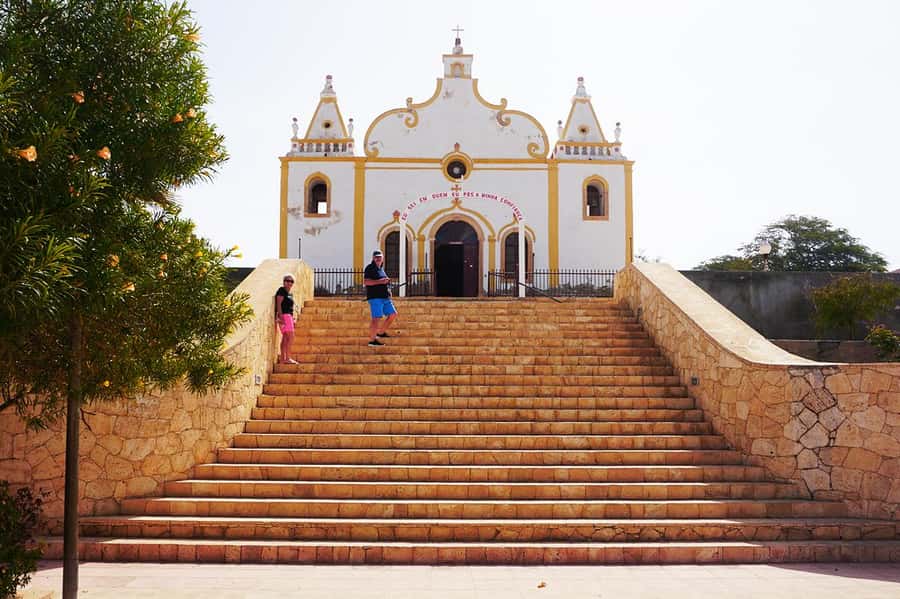
Maio is quieter than the more famous Cape Verde islands, and that is exactly why I like doing it with a guide the first time. You get a guided route that covers key sights and local activities in a single day, so you spend less time figuring out logistics and more time absorbing the island rhythm.
The format also matches what many people want from a first visit: a taste of history, a taste of food, and time outdoors. You start inland and work your way through salt wetlands, villages, dunes, and production areas, then finish with a swim at Bitchirotcha Beach. It is not just sightseeing, it is a day built around how Maio people make a living.
If you prefer a relaxed day with minimal transfers, you might find this itinerary a bit full. You will still get breaks and short free time for lunch, but the day has a clear flow and you should expect to stay on schedule.
Pickup, small group size, and why the 6 hours matter
This tour runs for about six hours, with hotel pickup and drop off included. The group is small, capped at 8 participants, and you go with a live guide in English, Portuguese, or Spanish.
That small group number changes the feel. You can ask follow up questions while you are driving, and you are less likely to get shuffled into a mass line. It also helps with the practical side, like getting everyone moving together for short walks at the dunes.
Because the tour is short, the pacing is intentional. You do not get long sit down museum time, but you do get a sequence of stops that makes the island make sense. If you are a photo person, you will want to keep your camera ready, because the best moments here are often at quick turnoffs and village viewpoints.
Eco Museum in the capital: salt history you can actually picture
Your first real stop is the Eco Museum, where you learn the island story tied to salt. The big thread is colonization and the way salt exploitation shaped Maio and connected it to wider trade, including exports to countries like Brazil up until the 19th century.
This is one of those lessons that can sound dry until you put it in place. Salt was not just a product, it was a reason for movement, work patterns, and outside interest. Once you understand that, the later wetland stop at Porto Inglês feels like more than a pretty setting, it feels like part of the same system.
I like this start because it gives you a framework before you hit the villages and the water stops. You are not guessing what you are seeing. You know why it matters and how the island’s economy and identity were shaped.
Porto Inglês salt wetland: spotting work, not just scenery
After the museum, you drive to the Salinas wetland of Porto Inglês. Here, you get a chance to see locals producing salt, which is the living continuation of the story you learned at the Eco Museum.
Wetlands can look simple from a distance, but they work because of water control and the timing of production. Seeing salt work firsthand is the kind of experience that makes your photos feel like evidence, not just souvenirs. Even if you only catch part of the process during your visit window, you will still come away with a clearer sense of the daily work.
This is also a good reality check stop. If you are wondering whether Maio is a place of farming and fishing life, this wetland area makes it obvious that salt is part of that mix.
Morro village breakfast with a local family and Cape Verdean cuscuz
Next comes the highlight many people talk about, the breakfast in Morro village with a local family. You get a typical Cape Verdean spread, including Cape Verdean cuscuz.
Eating with a family is always more than food. It is the easiest way to understand how people live, how they talk, and what they consider normal. It also changes your mood for the rest of the day, because you start fueled and curious.
One practical note from how this sort of experience can vary by day: ask ahead of time that your departure includes the family breakfast exactly as described, not just a quick stop nearby. I say that because there can be program differences when routes are handled in different ways on different days. You want this part to be the real thing.
If breakfast is done well, this stop becomes the anchor of the entire tour. If it is shortened, the rest of the day feels more like a drive by. That is why I treat Morro village breakfast as the must-confirm moment.
Calheta craft center: souvenirs with a purpose
After breakfast, the tour continues to Calheta for a handcraft center. This is where you can buy souvenirs and support local makers.
I like craft center stops when they are timed correctly, because you have energy and you are already thinking about what you learned earlier. If the day started with salt history, you notice what people make and why. If you waited until late afternoon, you might just grab a magnet and call it a day.
Keep your budget in mind here. You are already paying for a guided day with transportation and entrance fees, but crafts are your chance to spend on something personal. If you see small items you can pack easily, that is usually the safest choice for a day trip.
Morrinho dunes: an easy walk on white sand from the Sahara
Then you travel through agricultural and fishing areas to reach the Morrinho dunes. Expect an easy walk through white sand dunes shaped by wind, with the sand originating from the Sahara Desert.
This stop is about contrast. Earlier you are thinking about salt work and cheese production. Here you get a desert wind story, but you experience it on Maio soil. The result is a landscape feeling, even though you are not on some famous postcard beach.
Bring simple footwear you can trust on sand and maybe a light layer if it is breezy. The walk is described as easy, but sand can be sneaky for slipping and for slowing you down if you are wearing wrong soles.
This is also a great place to take photos without the pressure of crowds. When wind is strong, sand shifts, and you get fresh textures for the camera. If you are lucky, the light will soften the dunes and make them look sculpted.
Pedro Vaz village and lunch time you control
From the dunes, you drive to Pedro Vaz village, which is described as the first village on the island to be inhabited. Then you get free time to buy lunch at a typical local restaurant.
This is your built-in breathing space. You can choose something simple, something local, and eat without worrying about the schedule. It also gives you a chance to recharge before the production stops later in the day.
Since lunch is not included, plan for that cost. If you are traveling with dietary needs, this free time is the moment to look for something you can confidently eat. The guide may recommend options, but you are the one ordering.
If you want to travel lighter, you can keep snacks minimal and rely on the breakfast and lunch windows. Just avoid expecting drinks to be included, because only breakfast is listed as included.
Ribeira João goats cheese production: the taste behind the story
After lunch, the tour focuses on local production with a visit to goats cheese production in Ribeira João. This is one of those stops that makes your earlier lessons feel tangible.
Cheese production is not just a food stop. It is a connection between land, animals, and daily routine. You get to see how island life turns raw materials into something you can taste later at home, even if the only taste you get today is a small sample or a conversation about the process.
What I like about production stops is that they break the usual tourist script. Instead of just looking at buildings, you are seeing work. And seeing work helps you understand what the island values.
If you are traveling as a food person, this is the point where the tour shifts from sights to flavors. If you are more of a history person, the angle still works because production is history you can touch.
Our Lady of Grace Church and São José Fortress: protection and faith
Back toward the capital, you visit Our Lady of Grace Church and then São José Fortress, built in the 18th century to protect the island from pirate attacks.
This pairing is smart because it covers two different kinds of protection. One is physical, defense from raids. The other is spiritual and communal, the church as a center for local life.
The fortress stop is especially valuable for context. You see architecture that exists because the island had to adapt to danger and uncertainty. You can stand there and picture why strategic positions mattered, and how communities organized around safety.
If you like history but hate long museum lectures, this works well. You get clear purpose, short timeframes, and memorable architecture.
Bitchirotcha Beach swim: the payoff after all the inland stops
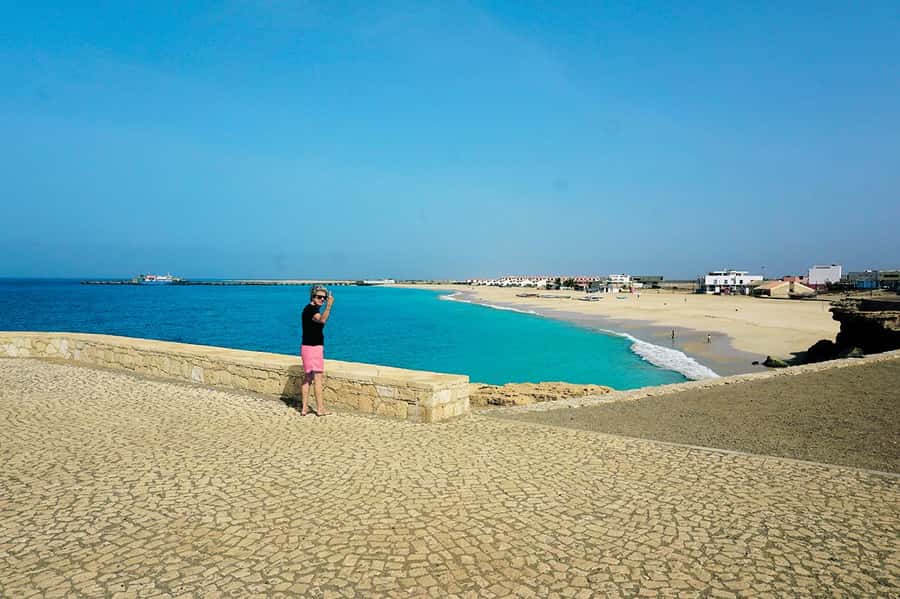
The day ends with time at Bitchirotcha Beach, described as the most beautiful beach on the island. You get a chance for a dip in the water, and that final swim is what turns the whole itinerary into a complete experience.
After dunes, villages, and production stops, water feels like a reset button. It is also where you can get your body back in sync after the driving and walking.
Plan for simple beach logistics: bring a towel or keep one on hand if you have it, and think about sun protection. Since drinks are not listed as included, you may want to buy water during your lunch stop or bring what you need.
This beach time matters because it is not just a photo stop. It is built for using your time, for enjoying the water while you are in the right mindset for it.
Price and value: is $94 per person fair for this day?
At $94 per person, this tour is not a budget bargain, but it also does not feel overpriced for what you get in a short day. You are paying for hotel pickup and drop off, guide services, transportation across different parts of Maio, entrance fees, and breakfast.
The value is strongest when you factor in the guide and the driving. Maio is spread out, and doing these stops on your own could mean extra transport costs and more time spent searching for the right locations. This tour gives you a planned route, so you can focus on the meaning of each stop instead of the logistics.
What can affect value for you is what you care about most. If family breakfast and cheese and the salt story sound like your kind of travel, this price starts to look like good sense. If you mainly want beach time and nothing else, you may feel the day is too full and you would be better off with a simpler half day.
Also, because lunch and drinks are not included, make a small buffer in your budget for that part of the day. That is normal for island tours, but it is the one predictable extra cost you should plan for.
Who this tour suits best, and who might want something else
I think this is a great fit if you want a first taste of Maio that goes beyond beaches alone. You will like it if you enjoy small group travel, short walks, and local food moments like cuscuz and goats cheese production.
It is also a smart choice if you want a guided day that helps you feel oriented quickly. With a guide sharing stories and driving you between sites, you spend less time figuring out where to go next.
If you dislike structured itineraries, this might feel a bit busy. The day has a clear sequence: museum, wetlands, breakfast, crafts, dunes, lunch stop, cheese production, church and fortress, then beach.
Should you book the Maio island full day guided tour with breakfast?
If you want a single day that connects the dots between salt history, village life, local production, and a beach swim, I would book it. The small group size, the breakfast experience, and the pairing of São José Fortress with ending at Bitchirotcha Beach make it more than a checklist tour.
Before you confirm, do one practical thing: make sure your specific departure includes the family breakfast stop and the production experiences exactly as you expect, since small program changes can happen. If those parts are solid, you will come away with a real sense of Maio, not just photos.
FAQ
How long is the Maio Island full day guided tour?
The duration is 6 hours.
What is included in the price?
Pickup and drop off, guide services, transportation, entrance fees, and breakfast are included.
Is lunch included?
No, lunch is not included. You will have free time to buy lunch in Pedro Vaz village.
Are drinks included?
No, drinks are not included.
How large is the group?
The tour is a small group limited to 8 participants.
What languages is the tour guide available in?
The guide is available in English, Portuguese, and Spanish.
What is the pickup time process?
Pickup is included, and you should wait in the hotel lobby 10 minutes before your scheduled pickup time.
What is the cancellation policy?
You can cancel up to 24 hours in advance for a full refund.
Guided, compared.
Island Experience Tour with a Certified Local Guide
Read our review →
Experience on Sal Island with native and certified guide (including sharks)
Read our review →
Electric Beach Bike – Guided Tour in Sal Island
Read our review →